
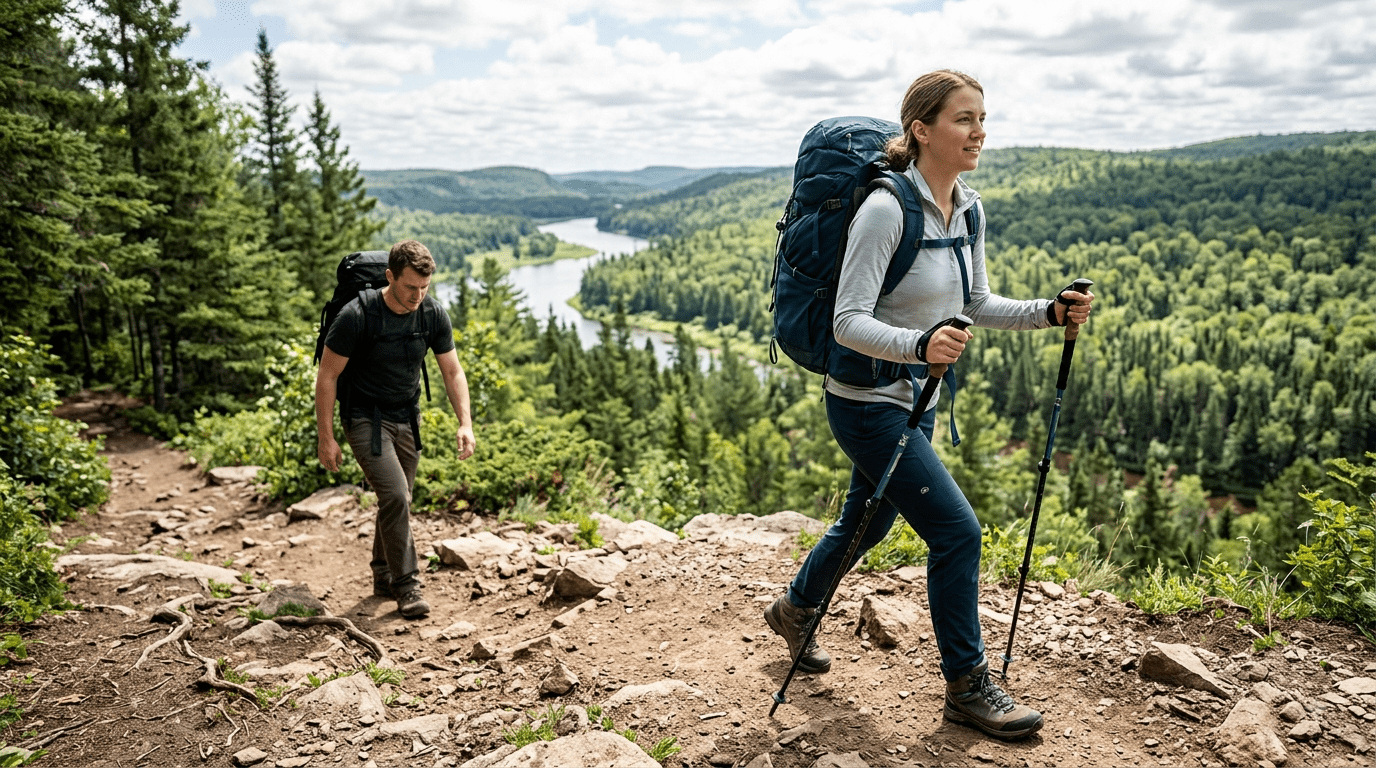

The Debate About Trekking Poles Explained
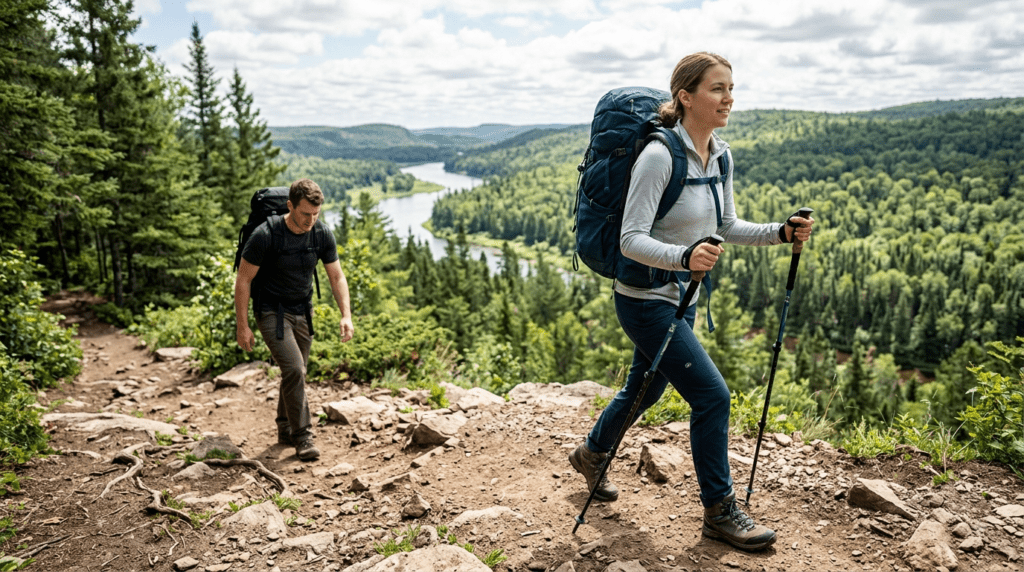
⚡ Quick Takeaways (TL;DR)
- Reduces Joint Impact: Trekking poles absorb up to 25% of the downward force on your knees and ankles, especially during steep descents.
- Boosts Stability & Balance: Turning your movement into a 4-legged stride increases traction on loose gravel, mud, river crossings, and snow.
- Improves Posture & Endurance: Distributing weight across your upper body lightens the perceived strain on your lower back and leg muscles—especially when carrying a loaded pack.
- Pair with the Right Gear: Linking trekking poles with proper load distribution in a technical pack (like our 56L Hiking & Trekking Backpack or 90L Expedition Backpack) minimizes fatigue on multi-day treks.
Should You Use Trekking Poles or Hike Hands-Free?
Whether you are navigating rugged crown land trails or embarking on a weekend loop, one question always comes up: Are trekking poles actually necessary, or do they just add extra weight?
While purists often prefer keeping their hands free, decades of biomechanical research—and real-world trail experience—show that using trekking poles provides massive physical advantages over walking without them.
Here is how hiking with poles stacks up against hiking without them:
| Feature / Benefit | Hiking With Trekking Poles | Hiking Without Trekking Poles |
| Knee & Joint Impact | Absorbs up to 25% of descent impact | Full force carried directly by knees and hips |
| Balance & Stability | 4 points of contact; high stability on rough terrain | 2 points of contact; higher risk of slips/falls |
| Upper Body Engagement | Recruits shoulders, arms, and core to share the load | Upper body remains mostly static |
| Uphill Momentum | Uses arm strength to push upward and maintain rhythm | Leg-dominant effort; tires quadriceps faster |
| Load Distribution | Distributes pack weight evenly across the entire frame | Pack weight rests entirely on spine, hips, and legs |
4 Proven Advantages of Trekking Poles vs. Not Using Them
1. Save Your Knees on Steep Descents
When descending a steep trail, gravity exerts up to 3 to 4 times your body weight on your knee joints with every step.
- Without Poles: Your knees, ankles, and quadriceps act as sole shock absorbers. Over long distances, this leads to joint inflammation and the dreaded “trail knee.”
- With Poles: Every time your pole strikes the ground, your arm and shoulder muscles absorb a portion of that downward kinetic energy. Over a 10 km hike, this saves your joints thousands of pounds of impact force.
2. Turn 2-Legged Balance Into 4-Point Traction
Trail conditions in the outdoors are rarely uniform. Loose shale, slick roots, mud patches, and stream crossings constantly test your stability.
By adding two points of contact with the ground, you create an ultra-stable four-point base. If one foot slips on a wet rock, your poles give you the immediate counter-balance needed to catch yourself before taking a hard spill.
3. Maintain Posture and Pacing with Heavy Packs
Carrying a full load—like a 30 to 50-lb setup—pulls your center of gravity backward. Hikers without poles often lean excessively far forward to compensate, rounding their shoulders and straining their lower back.
Poles force an upright chest position, opening up your lungs for better oxygen intake and allowing you to set a rhythmic, sustainable stride.
4. Versatility Beyond Walking
Trekking poles aren’t just for movement; they double as essential multi-use survival tools:
- Shelter Support: Use them as rigid support poles for ultralight tarps or backpack tents.
- Trail Probing: Test mud depth, snow crust stability, or water levels before stepping forward.
- Clearing Obstacles: Push away overgrown brush or spiderwebs across narrow trails.
Direct Gear Pairings from Occasionally Outdoors
To maximize your energy efficiency on the trail, your trekking poles must work in harmony with your backpack and load system.
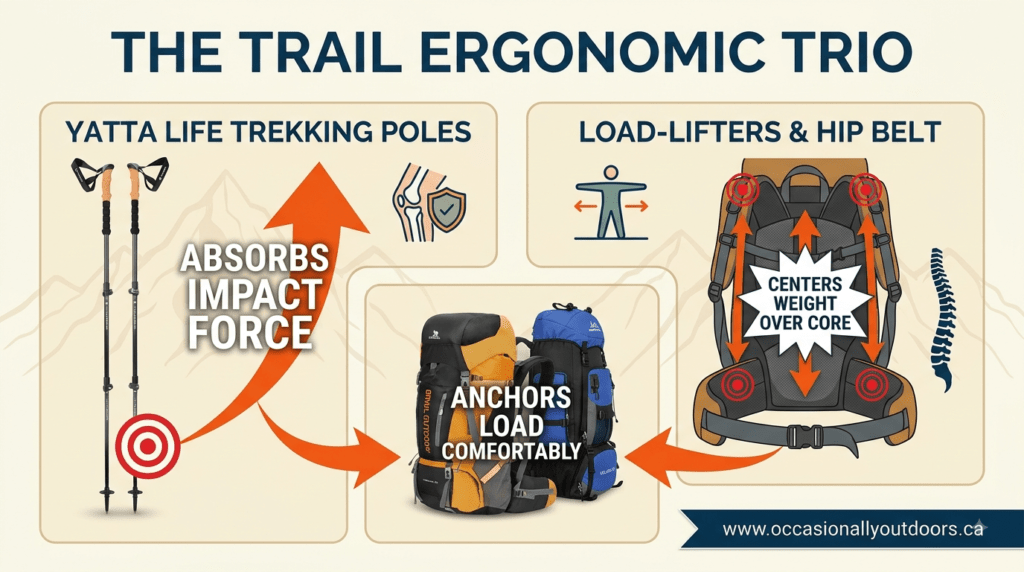
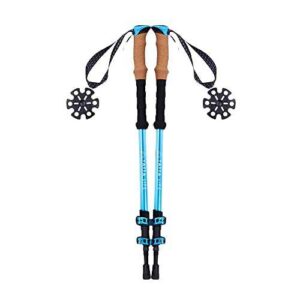
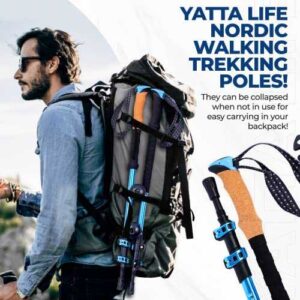
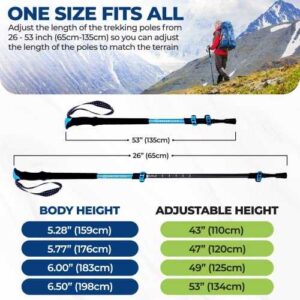
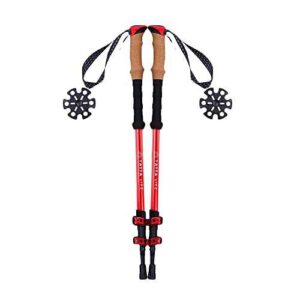
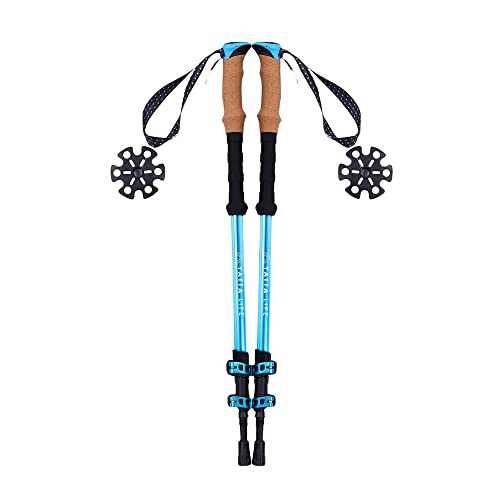
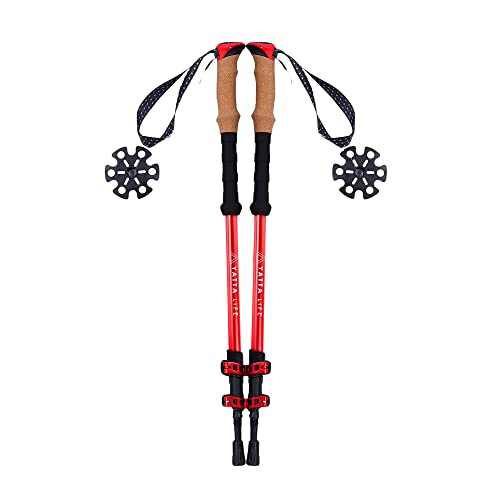
1. The Poles: Yatta Life Adventure Pro Trekking Poles
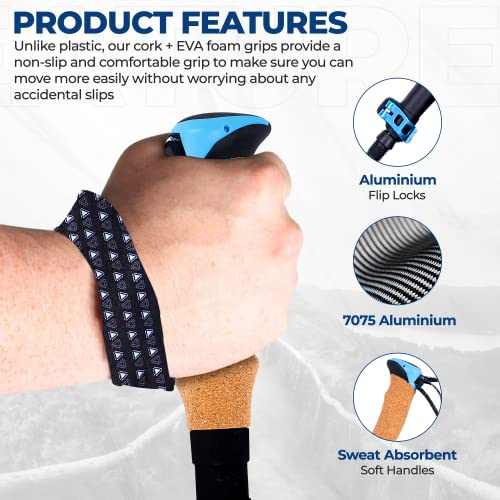
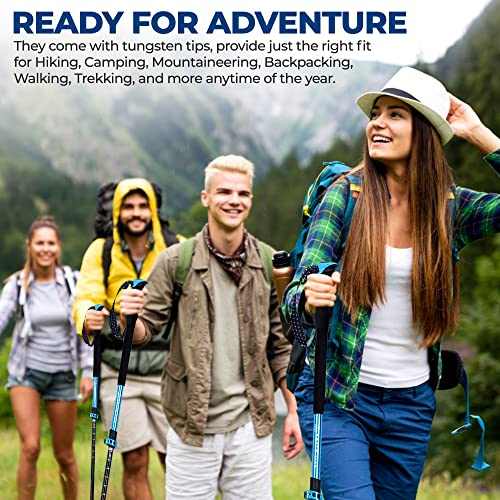
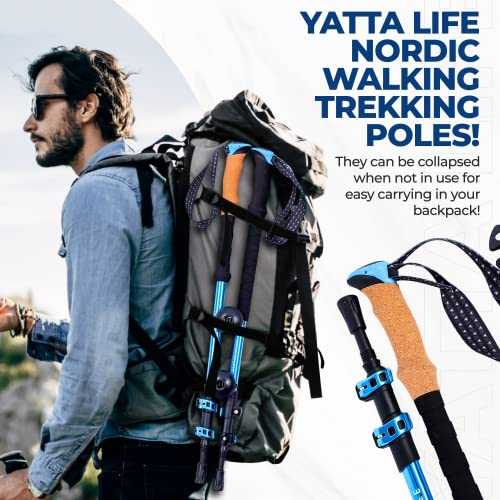
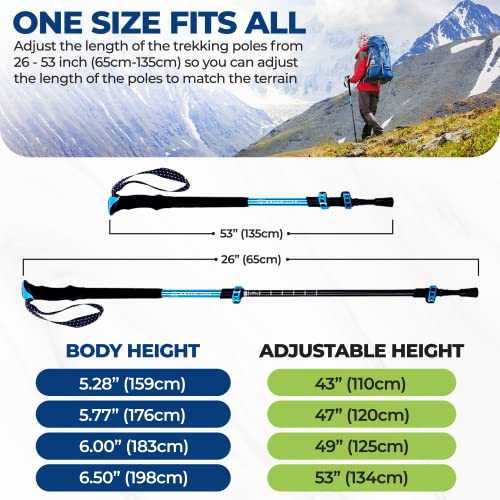
To gain the advantages of pole hiking without adding arm fatigue, swing weight matters. The Yatta Life Adventure Pro Trekking Poles offer a rigid, lightweight design built to handle tough Canadian terrain while dampening trail vibration.


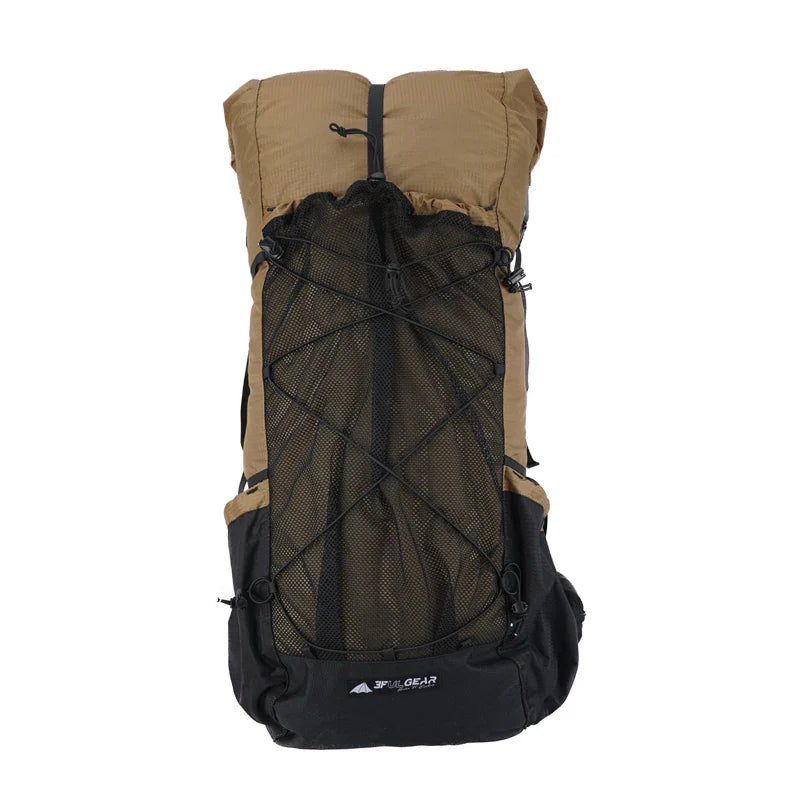
2. The Multi-Day Pack: 56L Hiking & Trekking Backpack
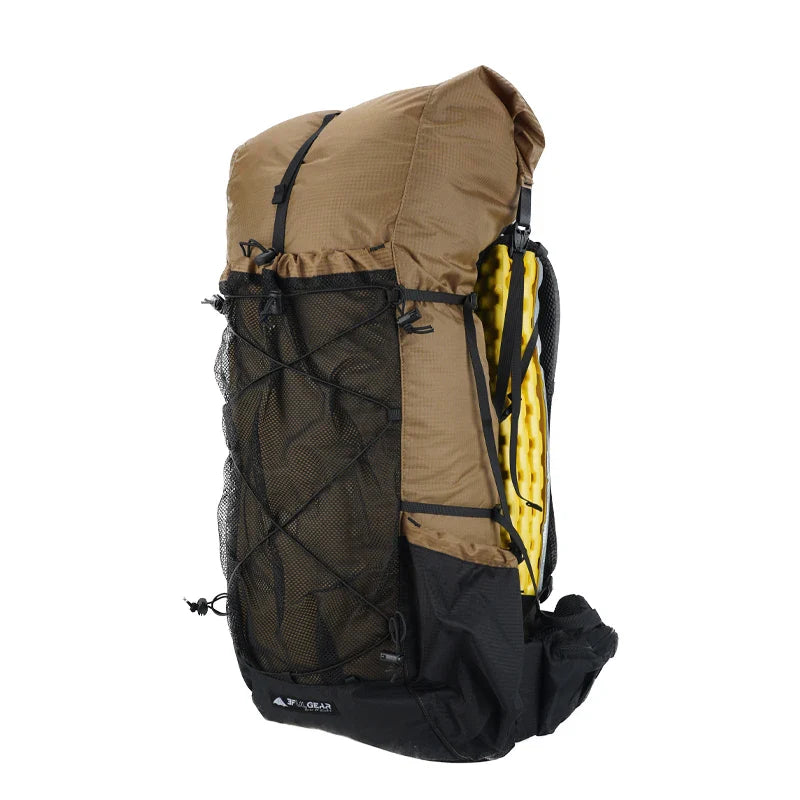
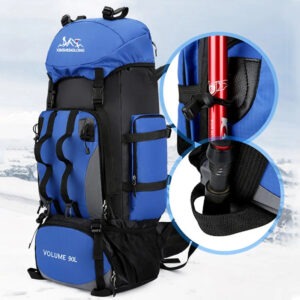
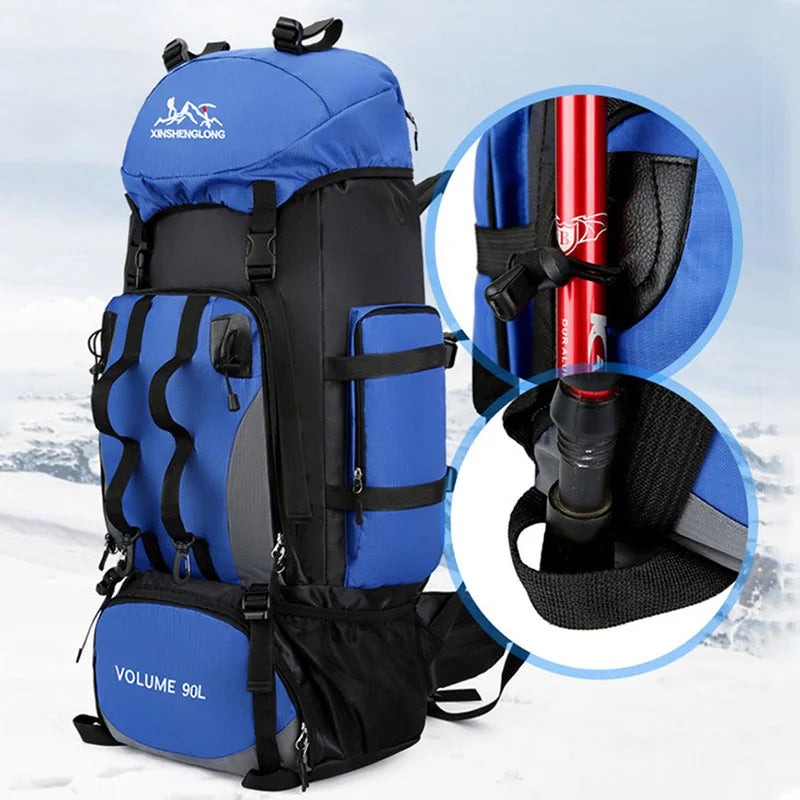
When you’re out for a full weekend, pair your poles with our 56L Hiking & Trekking Backpack. It features dedicated side attachment loops so you can stow your poles in seconds when approaching flat terrain or scrambles.
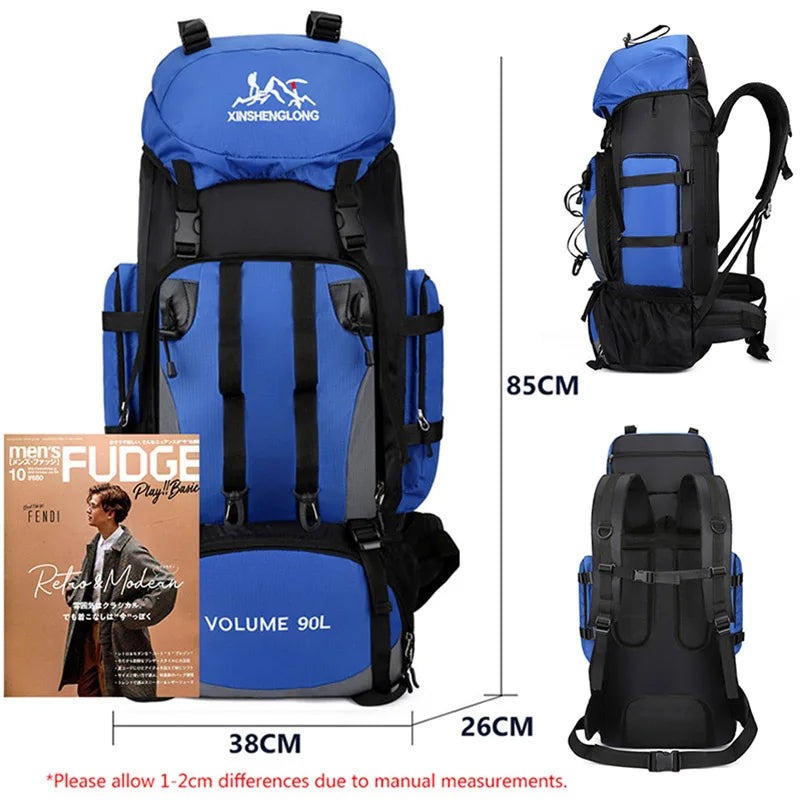
3. The Heavy-Haul Expedition Pack: 1.2kg Lightweight 90L Expedition Backpack
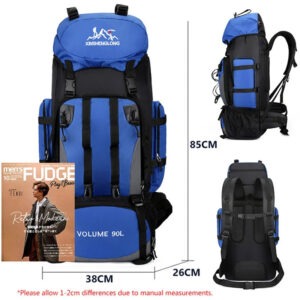
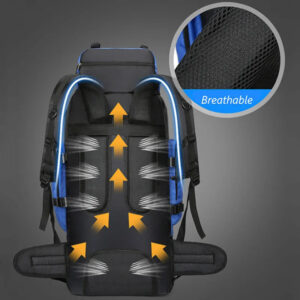
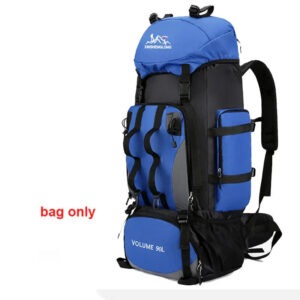
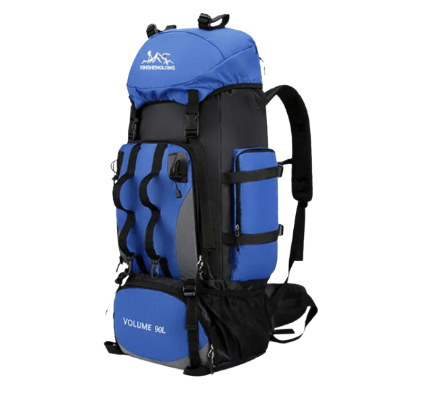
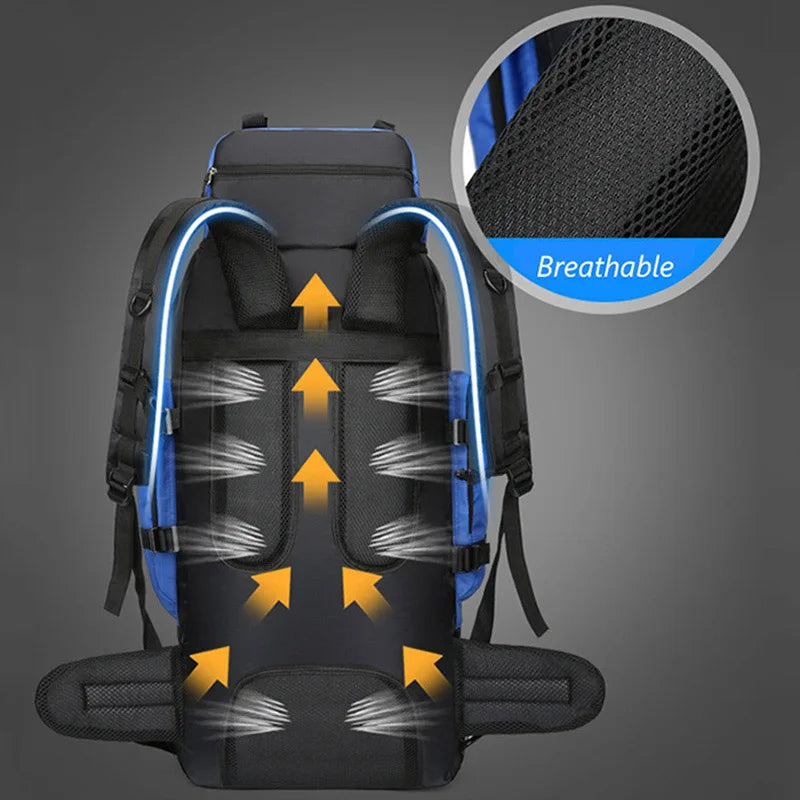
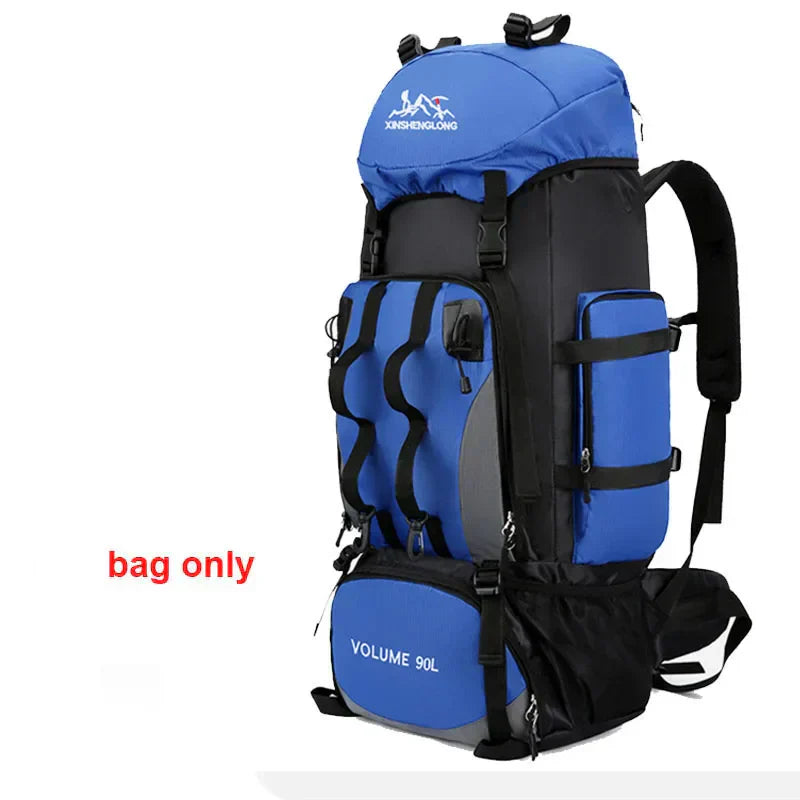
For extended backcountry wilderness trips, carrying a heavy load without poles is a recipe for back strain. The 90L Expedition Backpack weighs only 1.2 kg empty, allowing you to maximize gear capacity while keeping your total pack weight manageable when transferring power through your trekking poles.


Frequently Asked Questions (Q&A)
Do trekking poles burn more calories?
Yes. Because trekking poles engage your arms, chest, and shoulder muscles, studies show you burn approximately 15% to 20% more calories per hour compared to hiking without poles. However, because the workload is distributed across your entire body, the perceived exertion is actually lower.
When should you NOT use trekking poles?
You should temporarily collapse or stow your poles during steep, Class 3+ rock scrambles where you need both hands free to grip handholds, or when navigating extremely dense, thick brush where pole baskets can snag on branches.
