
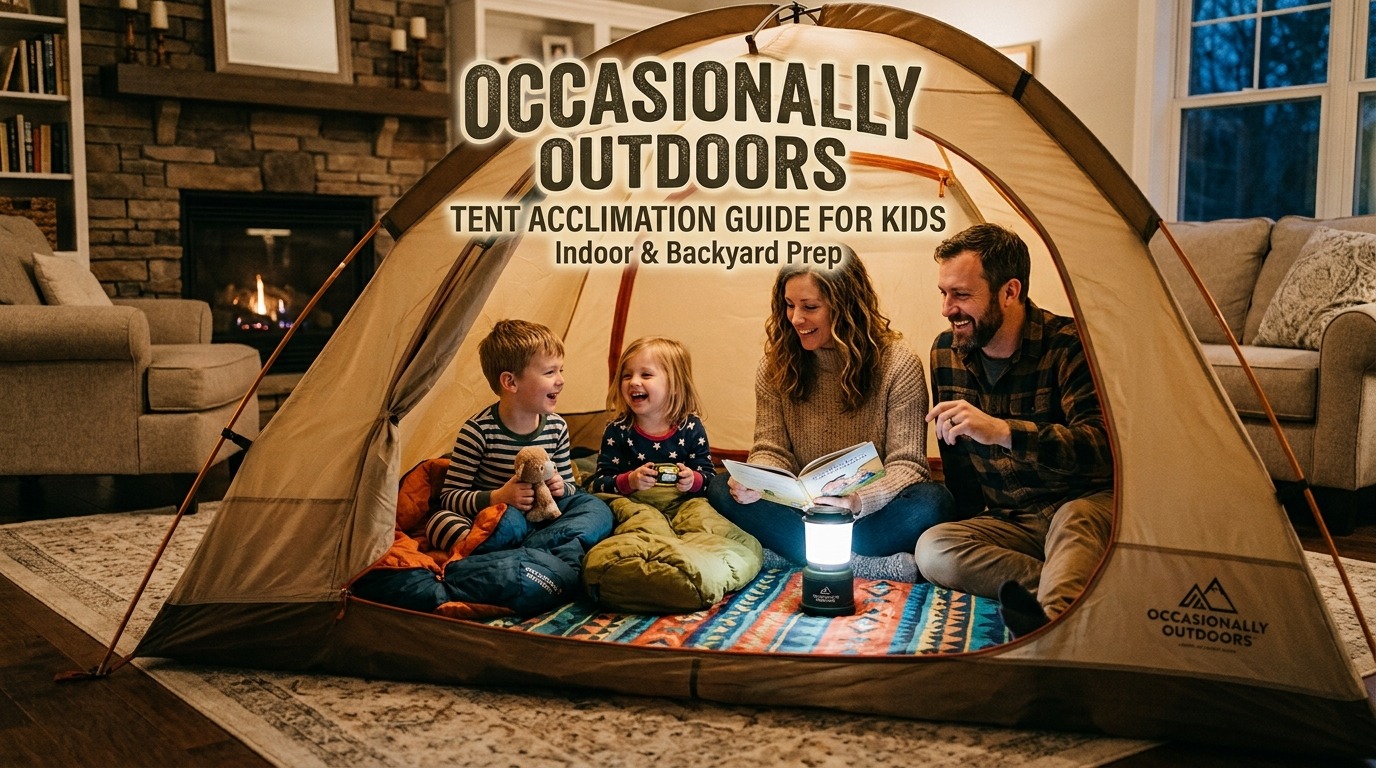

Quick Answer: How Do You Get Kids Comfortable Sleeping in Tents?
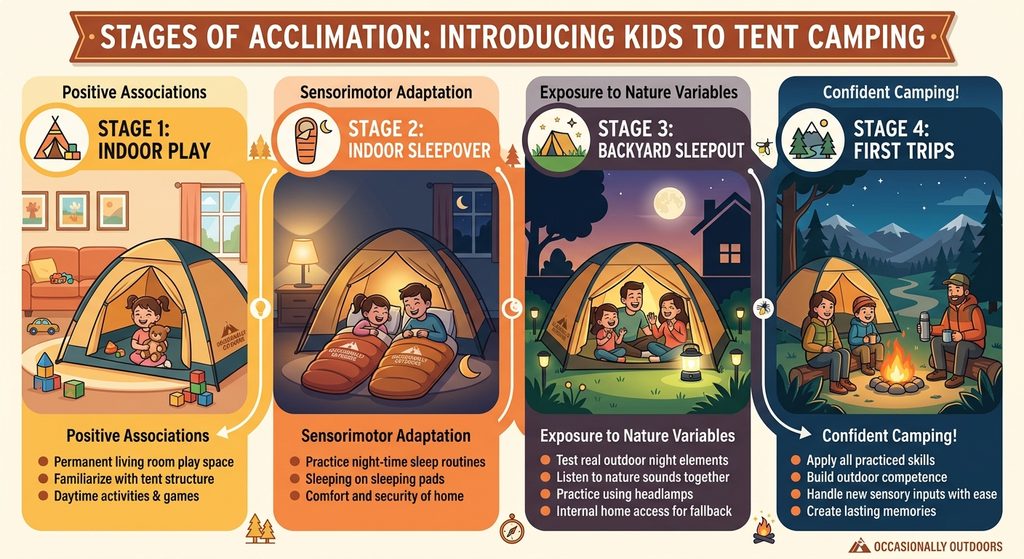
To get kids used to sleeping in tents, use a progressive exposure approach. Start by pitching a tent in the living room for daytime play, transition to indoor sleepovers, move outside for a backyard sleepout, and practice pitch-black night routines. Familiarizing children with tent sounds, dark environments, and sleeping gear in a low-stakes environment builds confidence and reduces anxiety before your first real camping trip.
Key Takeaways
- Start indoors: Build positive associations by placing tents in familiar spaces like the living room.
- Run a backyard trial: A backyard sleepout tests real weather and darkness with an easy retreat inside if needed.
- Control sensory variables: Use proper gear—like insulated sleeping pads and child-friendly headlamps—to prevent cold nights and nighttime fear.
- Establish gear familiarity: Let kids practice operating lights, unzipping sleeping bags, and opening tent doors before heading to the campsite.
Phase 1: Indoor Camping (Living Room Campout)
Introducing a tent inside the home eliminates outdoor fears like unfamiliar noises or cold weather, allowing children to focus purely on the novelty of tent living.
1. Set Up a Permanent Play Space
Pitch an Ultralight Camping Tent directly in the living room or playroom. Leave the flap open for several days, encouraging children to treat it as a reading nook or play fort.
2. Host an Indoor Sleepover
Transition from daytime play to an overnight indoor sleepover.
- Lay down Inflatable Camping Sleeping Pads or compact cots instead of standard indoor air mattresses so kids get used to the texture and feel of real trail gear.
- Pair sleep setups with a warm Goose Down Sleeping Bag left unzipped as a cozy duvet.
- Turn off house lights and practice using a hands-free Nitecore Ultra Lightweight Outdoor Headlamp for reading stories inside the tent.
Phase 2: The Backyard Sleepout
A backyard sleepout introduces real-world elements—night sounds, ambient temperature drops, and complete darkness—while keeping the safety of home just a few steps away.
| Acclimation Goal | Backyard Strategy | Why It Helps |
| Night Sound Comfort | Identify outdoor noises (crickets, wind) together while drinking hot cocoa out of an Enamel Camper Mug. | Normalizes nature sounds so they don’t trigger fear at a remote campsite. |
| Darkness Adaptation | Practice navigating the tent using the low-beam red light on a child-accessible headlamp. | Prevents panic during mid-night bathroom trips. |
| Gear & Thermal Testing | Pair an insulated sleeping pad with a Sleeping Pad with Integrated Pillow to test real ground temperatures. | Identifies cold spots or uncomfortable gear before leaving home. |
Phase 3: Sensory Prep & Camp Routines
Children thrive on predictability. Replicating home routines inside a tent provides emotional security.
Replicate the Home Bedtime Sequence
Maintain your standard sequence of events: brush teeth, read a book, and sing bedtime songs. Carry familiar items into the tent alongside your regular Sleep Systems, including:
- A favorite stuffed animal or security blanket.
- Their regular pillow from home (which fits better than technical camping pillows for young children).
- A soft, dimmable lantern or headlamp placed in a tent gear loft to function as a familiar nightlight.
Make Camp Cooking Fun
Camp excitement starts before sleep time. Get kids interested in the whole outdoor experience by serving a pre-bedtime warm drink or campfire snack using a Camping Cookware Kit with Stove right in the backyard.
Demystify the Dark and Gear
- Flashlight Tag & Shadow Puppets: Play games inside the tent after dark so light management feels like fun rather than a necessity.
- Zipper Practice: Teach children how to hold the canvas taut with one hand while pulling zippers with the other to avoid jams and frustration.
Frequently Asked Questions
What age should kids start camping in a tent?
Children can start tent camping as toddlers (around 12 to 18 months) once they outgrow high-dependency sleep equipment, provided parents use age-appropriate sleep sacks and high-R-value insulated sleeping pads to block ground chill.
How do I stop my child from being scared of noises outside the tent?
Conduct “sound checks” during backyard sleepouts. Point out wind rustling leaves or distant traffic, framing these sounds as natural background noise. Bringing a portable white noise machine powered by a portable battery pack can also buffer abrupt outdoor sounds.
What sleeping gear is best for toddlers in tents?
Use a high R-value (insulated) sleeping pad to block cold ground temperatures, paired with a toddler-sized sleeping bag or wearable sleep sack. Avoid oversized adult bags without cinching the footwell, as excess air space makes it hard for small bodies to stay warm.
