
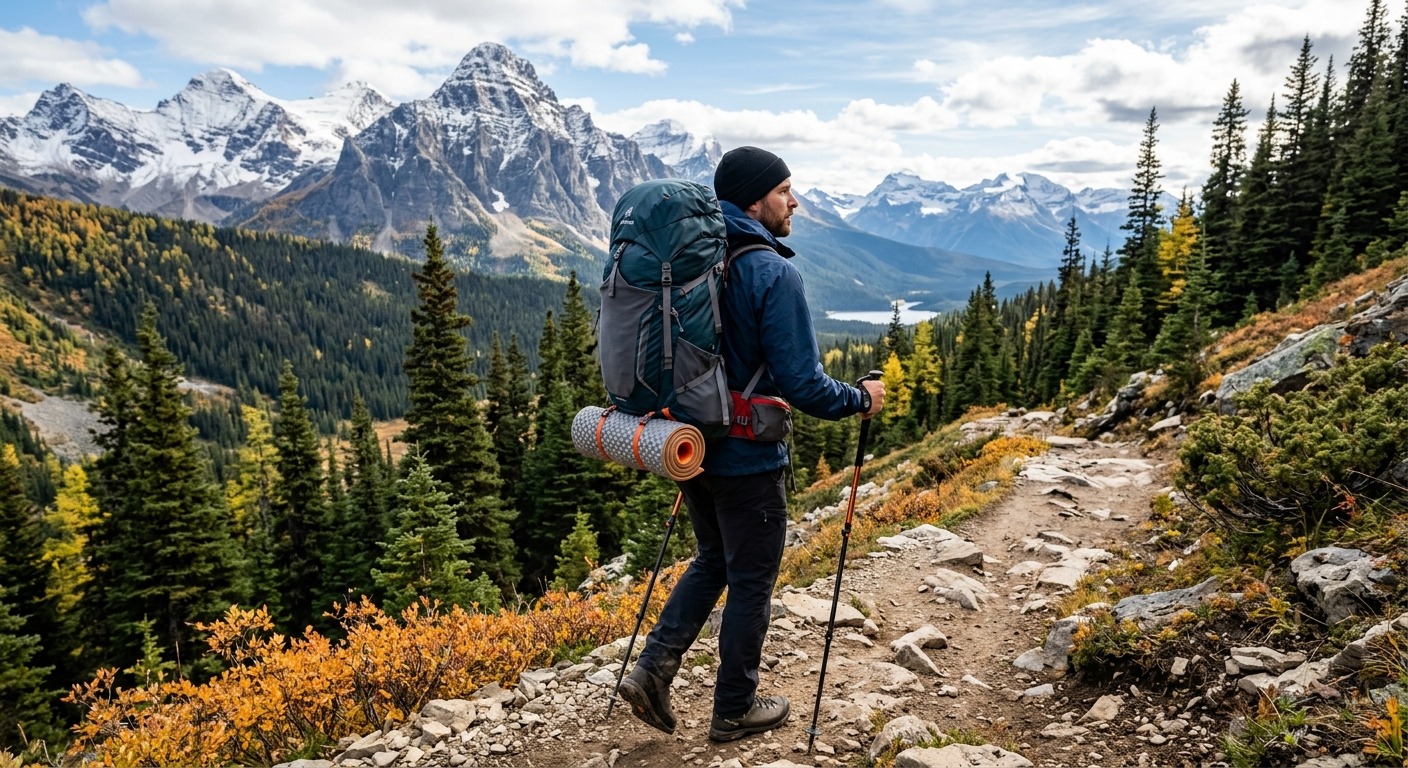

Beyond the Burden: How to Choose the Right Backpack for Your Next Adventure
Quick Summary:
- Fit > Features: 80% of a backpack’s weight should rest on your hips, not your shoulders. Measure your torso length before buying.
- Volume Matching: Use a lightweight daypack for fast trails and a 60L+ pack for multi-day backcountry trips requiring full sleep systems.
- Packing Physics: Heavy gear (tents, stoves) should sit close to your spine in the middle of the pack to keep your center of gravity balanced.
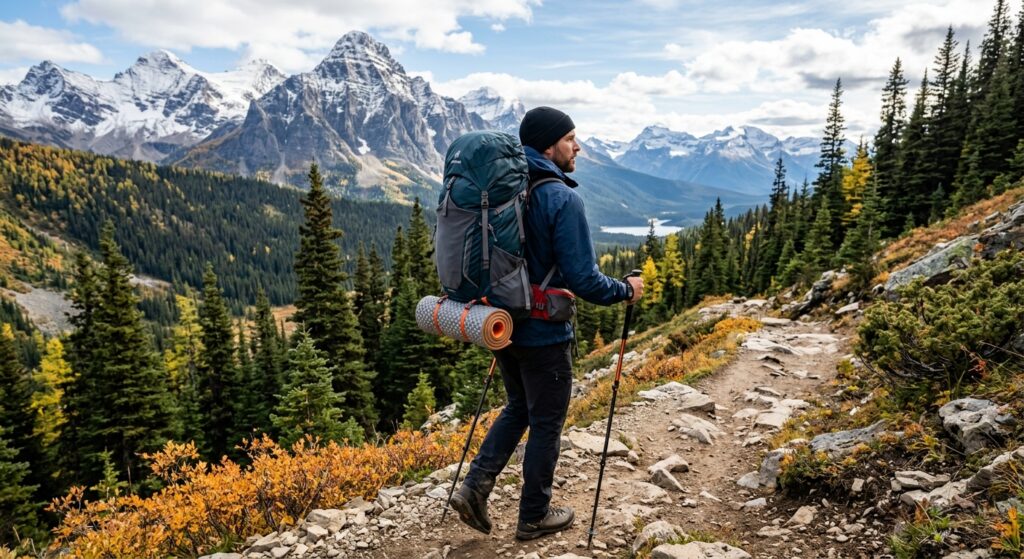
When we plan a weekend getaway, a rugged backcountry trek, or even a local day hike, we tend to obsess over the big-ticket items. We spend hours researching the warmth ratings of sleeping bags, comparing the packed size of camp stoves, and debating the merits of freestanding versus tunnel tents.
Yet, every single piece of gear you own relies on one unsung hero to get it into the wild: your backpack.
Choosing the wrong backpack turns an idyllic trail into an endurance test of sore shoulders, bruised hips, and constant frustration. Picking the right one? It seamlessly integrates with your body, distributing weight so effectively that you almost forget you’re carrying a mobile home on your back.
Let’s unpack why your pack deserves cornerstone status in your gear collection—and how to match it with the right companion gear to build a bulletproof outdoor setup.
1. Anatomy of Comfort: Fit Trumps Features
A pack loaded with high-tech straps and twenty compartments is useless if it doesn’t match your torso length. A proper fit shifts up to 80 percent of the pack’s weight off your shoulders and directly onto your iliac crest (your hips).
When your load is properly balanced, your center of gravity aligns with Mother Nature’s, preventing the dreaded backward pull that causes lower back strain and poor posture on uneven terrain.
2. Volume Matching: Right-Sizing Your Adventure
One size never fits all in the outdoors. Over-packing a small bag strains zippers and seams, while under-packing a massive expedition pack allows your gear to shift awkwardly with every step.
- Day Trips & Fast Trails: You need something agile, streamlined, and breathable that doesn’t restrict movement while maintaining a tight center of gravity.
- Multi-Day Treks: You need robust volume, load-lifter straps, and structural capacity to carry shelters, cooking kits, and extended supplies.
3. Building Your Cornerstone Setup: Essential Trail Matches
To turn a great backpack into a complete wilderness system, you need gear that packs efficiently alongside it. Here is how to match your pack choice with companion essentials:
Step 1: Choose Your Foundation Pack
- For Fast & Light Day Hikes: The Lightweight Hiking and Cycling Backpack gives you a streamlined, high-output rig that maintains a close fit without adding unnecessary bulk.
- For Extended Expeditions: When gear isolation and heavy capacity are non-negotiable, a heavy-duty hauler like the Large Hiking Mountaineering 60L Backpack provides the load-bearing support needed for multi-day routes.
Step 2: Integrate Your Shelter System
A great backpack dictates how you store your overnight setup. Pair your load-hauler with a compact shelter like the Ultralight Camping Tent Backpack Tent. Designed explicitly with a minimal packed footprint, it slides effortlessly inside your pack or straps cleanly to external compression lines without throwing off your balance.
Step 3: Add Trail-Ready Camp Comfort
Once you hit camp and unclip your hip belt, modular gear allows for quick setup. Packing compact furniture like the Low Back Ultralight Camping Chair With Storage Pouch ensures that comfort isn’t just something you wear on the trail, but something you enjoy around the fire after a long day of carrying your gear.
Summary Checklist for Your Next Pack Selection
Keep quick-access items (rain layers, first aid, hydration) in top lids or exterior mesh pockets.kpack turns an idyllic trail into an endurance test of sore shoulders, bruised hips, and constant frustration. Picking the right one? It seamlessly integrates with your body, distributing weight so effectively that you almost forget you’re carrying a mobile home on your back.
Measure your torso length, not your overall height.
Match volume (liters) to trip length—don’t carry a 60L pack for a 2-hour day hike.
Test weight distribution by placing heavy shelter gear close to your spine and centered over your hips.
Let’s unpack why your pack deserves cornerstone status in your gear collection—and how to match it with the right companion gear to build a bulletproof outdoor setup.
1. Anatomy of Comfort: Fit Trumps Features
A pack loaded with high-tech straps and twenty compartments is useless if it doesn’t match your torso length. A proper fit shifts up to 80 percent of the pack’s weight off your shoulders and directly onto your iliac crest (your hips).
When your load is properly balanced, your center of gravity aligns with Mother Nature’s, preventing the dreaded backward pull that causes lower back strain and poor posture on uneven terrain.
2. Volume Matching: Right-Sizing Your Adventure
One size never fits all in the outdoors. Over-packing a small bag strains zippers and seams, while under-packing a massive expedition pack allows your gear to shift awkwardly with every step.
- Day Trips & Light Cycling: You need something agile, streamlined, and breathable that doesn’t restrict movement.
- Multi-Day Treks: You need robust volume, load-lifter straps, and external attachment points for bulky shelter systems.
