

How to Pack a Safer, Lighter Backpack for the Trail
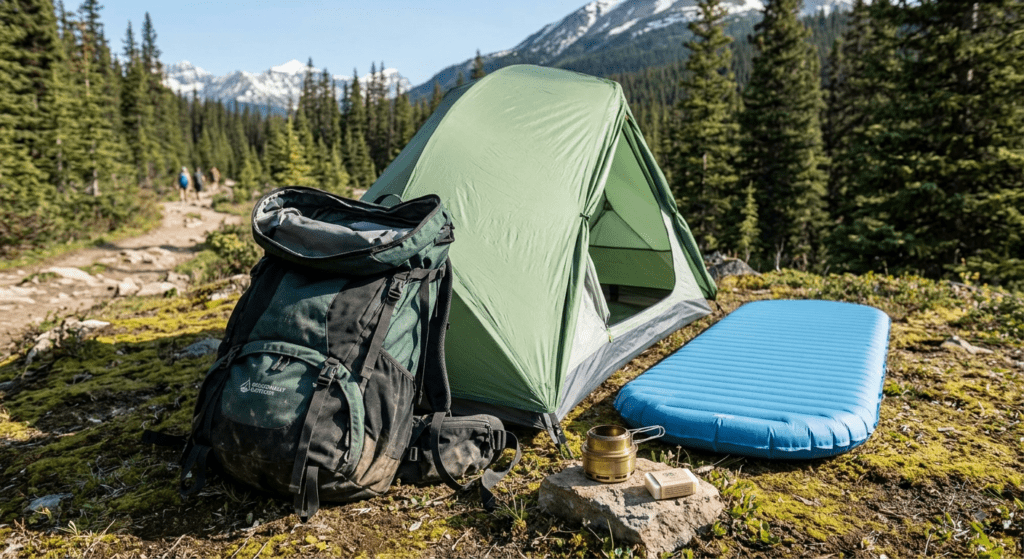
A 50 lb pack isn’t a badge of honor—it’s just a backache waiting to happen . So what’s worth the space
When you’re prepping for a trail run, a weekend backcountry trip, or a quick day hike, the internet will try to convince you that you need half an army surplus store stuffed into your bag. But carrying too much gear slows you down, while carrying the wrong gear leaves you vulnerable when conditions turn south. Finding what’s worth the backpack space comes down to balancing essential protection with a lighter, faster pack.
To cut through the noise, we’ve broken down the essential safety gear you actually need to pack, what to streamline, and how to keep your total weight down without compromising on safety.
1. The Non-Negotiable Essentials
The Golden Rule: If an emergency hits or the weather turns on a dime, these are the items that keep you warm, dry, and found.
Hands-Free Lighting
Your phone flashlight isn’t going to cut it. Cold temperatures drain smartphone batteries rapidly, and holding a phone while navigating steep terrain or setting up a shelter in the pitch black is an accident waiting to happen.
- What to pack: A dedicated headlamp with an IPX4+ waterproof rating, a red-light mode (to preserve night vision), and fresh batteries or a full charge.
Minimalist First Aid & Trail Hygiene
You don’t need a heavy medical kit built for field surgery. Focus on the real trail hazards: cuts, sprains, insect bites, and blisters.
- What to pack: Sterile gauze, athletic tape, ibuprofen, antihistamines, moleskin, and a tiny travel-sized bar of all-natural, biodegradable outdoor soap to keep wounds clean without disrupting local water ecosystems.
Redundant Fire Starters
Fire provides heat, dries wet clothing, signal rescuers, and purifies water. Never rely on a single cheap gas lighter that might jam when damp.
- What to pack: A mini Bic lighter wrapped in a bit of duct tape, paired with stormproof matches or a reliable ferrocerium rod.
Navigation That Doesn’t Need Cell Signal
Cell towers drop off quickly once you hit the trailhead. Relying solely on live map apps is one of the most common reasons hikers get turned around.
- What to pack: A physical topographic map of your route in a waterproof sleeve + a baseplate compass, OR a dedicated satellite communicator.
2. Multi-Taskers: High Utility, Low Weight
Every ounce matters when you’re logging miles. The best emergency gear items are the ones that serve multiple purposes or pack down into virtually nothing.
| Gear Item | What It Replaces | Why It’s Worth the Pack Space |
| Emergency Mylar Bivy or Shelter | Carrying an extra heavy sleeping bag | Weighs under 4 oz and reflects up to 90% of body heat if you’re forced to spend an unexpected night on the trail. |
| Compact Water Filter | Hauling gallons of heavy liquid weight | A hollow-fiber filter lets you treat water safely from streams as you go. |
| Ultralight Backpacking Tent | Heavy 4-season canvas shelters | A streamlined, weather-resistant ultralight backpack tent gives you full shelter protection against wind and sudden downpours without eating up your pack volume. |
| Compact Alcohol Stove Kit | Heavy multi-fuel stoves & canisters | A lightweight portable alcohol stove kit provides a fast, reliable heat source for hot drinks or emergency water boiling at a fraction of the weight. |
3. What to Leave Behind (Over-Hyped Gear)
Before you close your pack, audit your loadout for these common dead-weight traps:
- ❌ Massive Survival Knives: A heavy 7-inch fixed blade might look rugged, but a small 2-inch folding blade or lightweight multi-tool handles 99% of real backcountry tasks (like cutting cordage or gear repairs).
- ❌ Pre-Packaged Plastic First-Aid Kits: Most off-the-shelf kits are filled with 50 identical tiny bandages and heavy plastic packaging. Transfer what you actually need into a small Ziploc bag.
- ❌ Gimmick Multi-Tools & Heavy Power Banks: Skip the giant 20,000mAh solar power bricks that take days to charge in the shade. A compact 15,000mAh portable bank is more than enough backup power.
The Golden Packing Checklist
Before heading out, lay out your gear on the floor and double-check your pack setup:
- Pack Base: Start with a durable large hiking mountaineering backpack featuring padded hip support to distribute weight evenly across your frame.
- Sleep System: Stash your waterproof inflatable sleeping pad at the bottom to insulate yourself from frozen ground accompanied with decent sleeping bag
- Emergency Essentials: Keep your headlamp, first aid, fire starters, and emergency shelter in an easy-access top pocket.
Final Tip: Safety isn’t about how much gear you carry—it’s about carrying the right gear and knowing how to use it. Pack smart, stay dry, and see you on the trail!
