
The Splurge List: 3 Core Items Worth Every Dollar
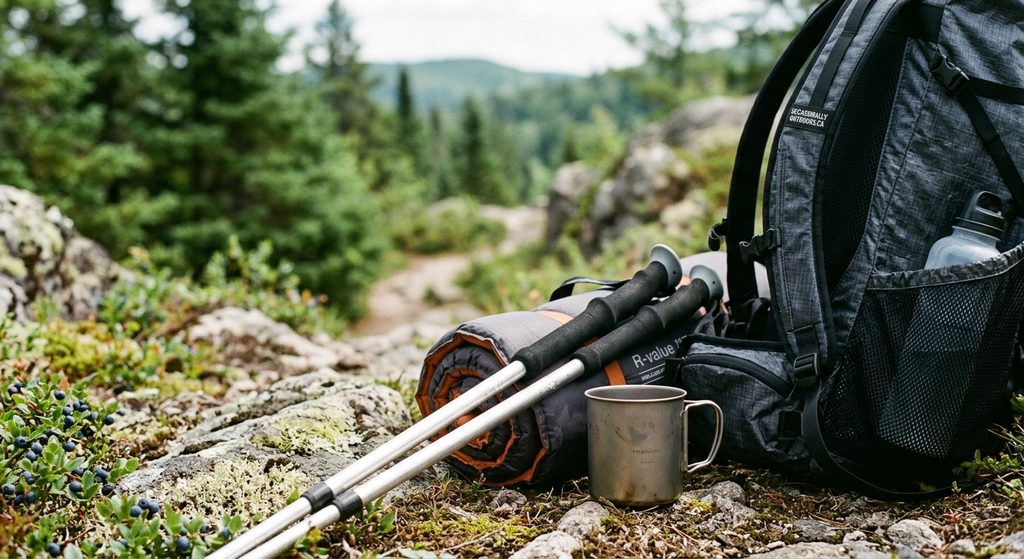
When trimming your base weight below 10–12 lbs, high-end materials like Dyneema Composite Fabrics (DCF), high-fill power down, and ergonomic frames offer structural advantages that budget options cannot match.
| Item | Key Spec / Metric | Why You Should Splurge |
| Ultralight Shelter | Hydrostatic Head / Tear Strength | Premium materials offer storm resistance without weight penalties. |
| Sleep System | Down Fill Power & Pad R-Value | High-fill down (850+) and insulated pads prevent ground cold transfer. |
| Ergonomic Pack | Frame Load Transfer | Proper frame alignment prevents spinal fatigue over long distances. |
1. Your Shelter (Tents & Tarps)
Weather protection in the backcountry is non-negotiable. Premium ultralight shelters utilize materials that resist water saturation and maintain tension under heavy wind loads.
- Where the money goes: Advanced seam-sealing, Dyneema or high-tenacity silnylon fabrics, and lightweight aluminum or carbon-fiber stakes.
- Featured Product: Explore our weather-tested Ultralight Backpacking Tents & Shelters designed to handle cold nights and heavy rain.
2. Sleep System (Sleeping Bags & Insulated Pads)
Hypothermia risk is tied directly to your sleep setup. Conductive heat loss to the ground requires an insulated pad with a verified ASTM R-value of 3.5 or higher for three-season camping.
- Where the money goes: 800+ fill-power hydrophobic down, reflective thermal interior barriers, and durable anti-puncture fabrics.
- Featured Product: Keep core temperatures regulated with our insulated Ultralight Sleeping Pads & Quilts.
3. Backcountry Pack
A lightweight pack is only effective if it transfers weight efficiently to your hips. Premium packs offer custom torso fitting, load lifters, and durable ripstop weaves that withstand heavy brush.
- Featured Product: Find the right capacity for your trip in our collection of Ergonomic Backpacking Packs.
The Save List: 3 Gear Categories Where Budget Options Win
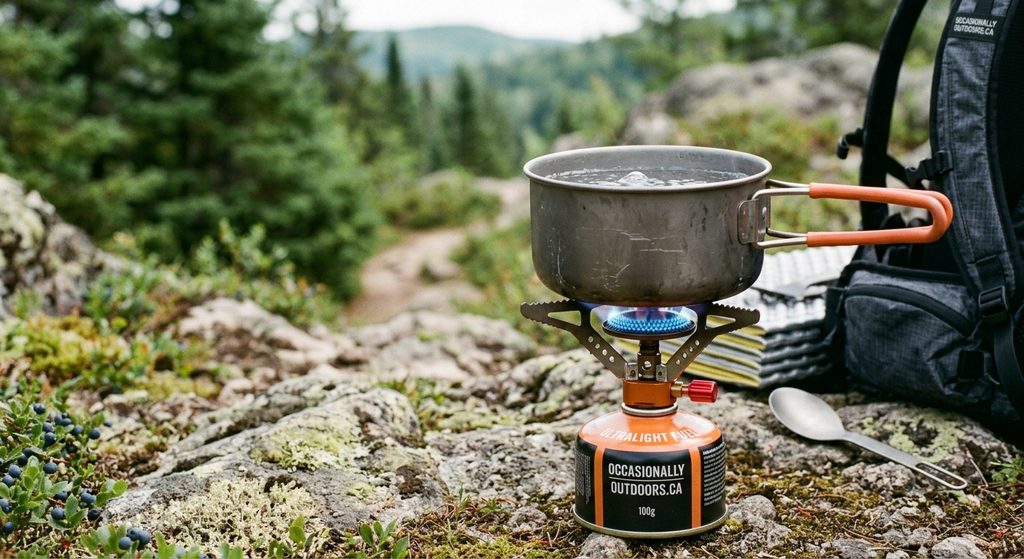
Not every piece of gear requires a premium price tag. In these categories, entry-level products deliver 90% of the performance at a fraction of the cost.
1. Camp Kitchen & Cookware
A basic canister stove weighing under 2 oz can boil water in under four minutes. Premium integrated stove systems offer marginal fuel efficiency gains but add weight and cost.
- Save strategy: Simple anodized aluminum or titanium pots paired with a micro canister stove.
- Featured Product: Grab a durable, budget-friendly setup from our Camp Kitchen & Cookware Gear.
2. Dry Bags & Storage Accessories
Organization sacks keep gear dry, but high-end ultralight dry bags offer minimal weight reduction compared to standard silnylon or lightweight roll-top sacks.
- Featured Product: Protect your gear with cost-effective options from our Packs & Storage Accessories.
3. Trekking Poles & Camp Accessories
Unless you require carbon fiber for strict weight targets, durable aluminum trekking poles with quick-flick locks handle stress and lateral pressure exceptionally well.
Frequently Asked Questions
What is considered a good base weight for ultralight backpacking?
A traditional ultralight base weight (total pack weight excluding food, water, and fuel) is under 10 lbs (4.5 kg). A lightweight setup ranges between 10 to 15 lbs.
How do I prioritize gear upgrades on a limited budget?
Start by replacing your heaviest single item—typically an older shelter or heavy synthetic sleeping bag. Upgrading one item in the “Big Three” yields the highest drop in total pack weight per dollar spent.
Is carbon fiber always better than aluminum for ultralight gear?
Not always. Carbon fiber saves weight and reduces vibration, but aluminum bends under high stress where carbon fiber may snap. Aluminum is often preferable for trekking poles and tent stakes in rugged terrain.
