

Checking the weather should always be your first step before any outdoor adventure
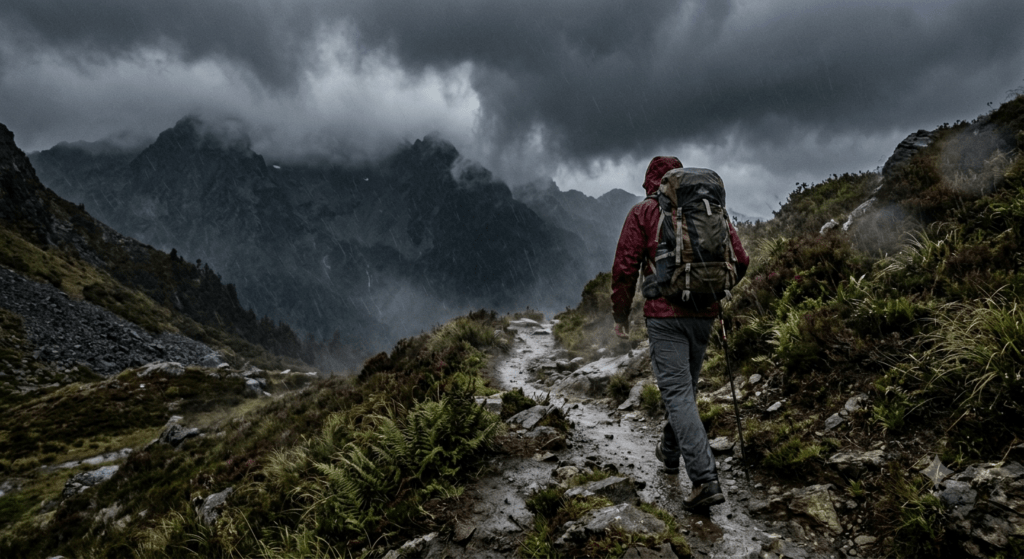
There is an old outdoor adage that always holds true: “There is no such thing as bad weather, only bad gear.” While high-performance rain shells and thermal layers certainly help, true outdoor safety starts long before you lace up your boots, tie on a lure, or pitch a tent. It begins with checking the forecast—and knowing how to prepare for inclement weather when conditions shift unexpectedly.
Whether you’re heading out for a day hike, a weekend camping trip, or an early morning fishing run, here is why a weather check should always be your top priority, along with practical ways to stay safe when nature turns untamed.
1. Microclimates and Mountain Weather Move Fast
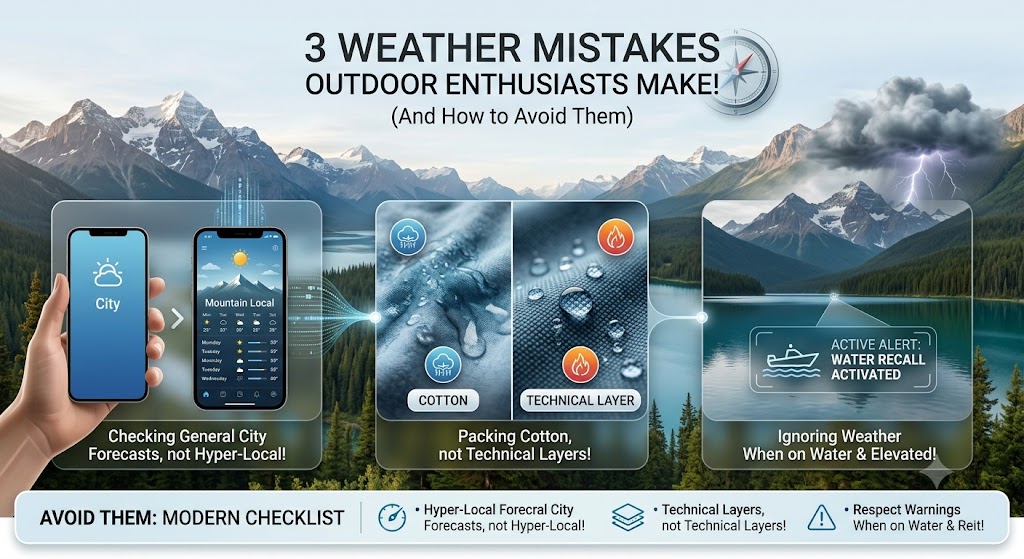
Standard weather apps give you a general idea of what to expect across a broad city or region, but remote trails, open water, and elevation changes create their own distinct weather patterns.
- Hiking: Elevation gains dramatically drop air temperatures and increase wind exposure. A sunny 20°C (68°F) morning at the trailhead can easily transform into a freezing, rain-slicked ridge by noon.
- Fishing: Water absorbs and retains cold far longer than air. Winds across lake surfaces can kick up dangerous chop in minutes, making small craft management hazardous.
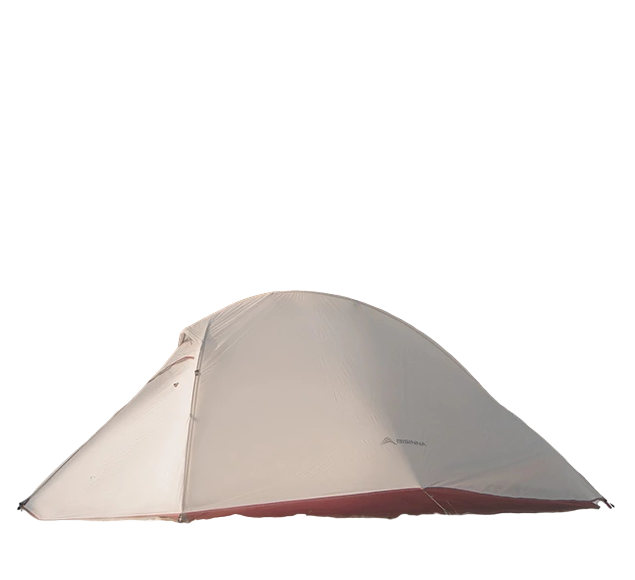
- Camping: Valley camp sites can trap heavy fog and morning frost, while open ridgelines leave shelters vulnerable to gusting winds.
Pro Tip: Check hyper-local forecasts using point forecasts from meteorological services or mountain weather reports rather than general town predictions.
2. Rain Isn’t Just Uncomfortable—It’s dangerous
A sudden downpour during a summer hike might sound refreshing, but wet clothing accelerates heat loss exponentially. Hypothermia can easily occur in 10°C to 15°C (50°F to 60°F) weather if you are wet and exposed to wind.
- Cotton is the enemy: Cotton holds moisture against your skin and loses all insulating ability when wet. Stick to synthetic blends, merino wool, or fleece.
- Pack a dedicated rain shell: Always carry a waterproof, breathable jacket—even if the morning sky is completely blue.
3. Water and Lightning Risks for Anglers and Campers
For anglers and boaters, severe weather presents unique hazards that go beyond getting wet:
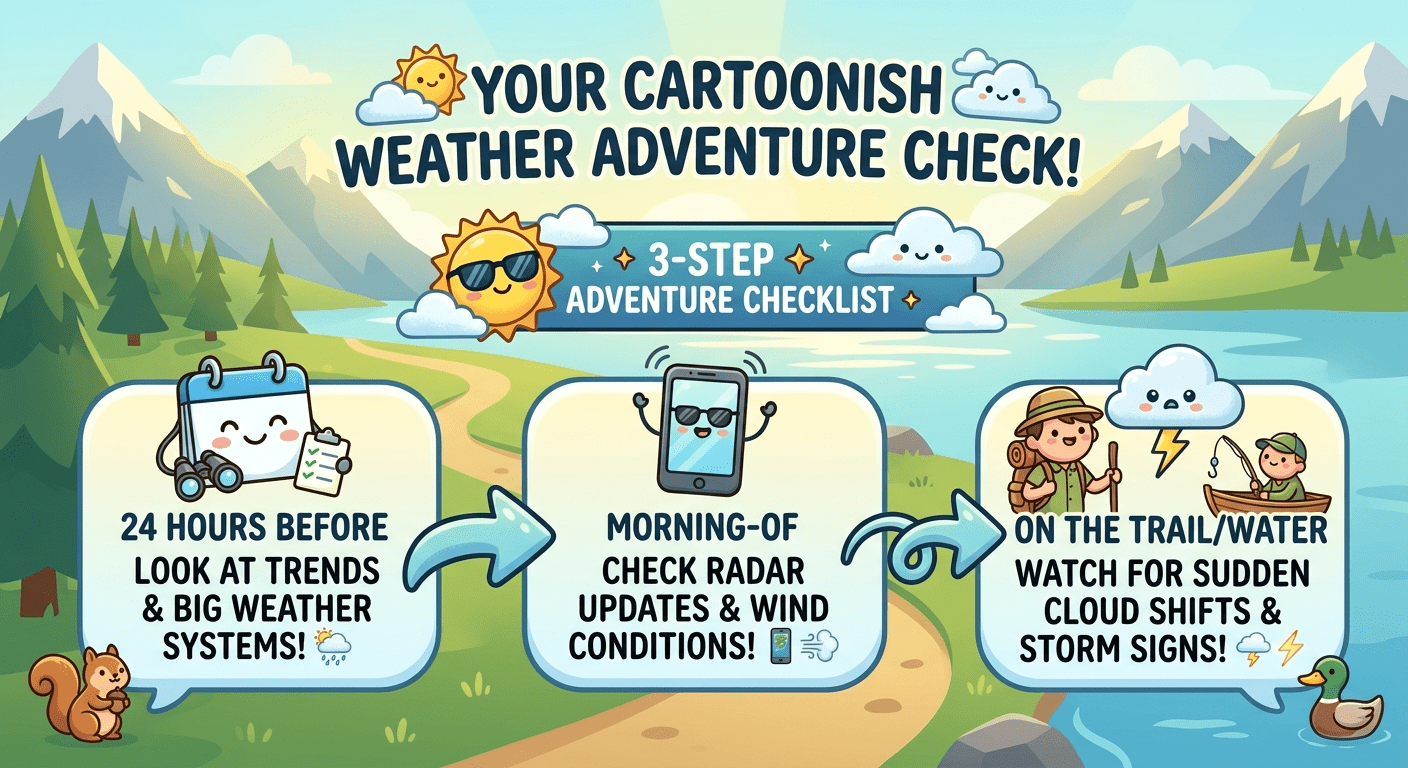
- Lightning on the Water: Carbon fiber fishing rods act as lightning rods. If you hear thunder while on the lake or river, head for shore immediately.
- Flash Flooding: Campers pitching tents near riverbeds or dry washes can be caught off guard by heavy upstream rainfall. Always set up camp on elevated ground well above the high-water line.
The Essential Inclement Weather Prep Checklist
Before heading out, make sure your pack includes these key items, often referred to as part of the 10 Essentials:
- Layering System: Base layer (moisture-wicking), insulating mid-layer (fleece or down), and waterproof outer shell.
- Emergency Shelter: A lightweight space blanket or ultralight tarp for emergency coverage.
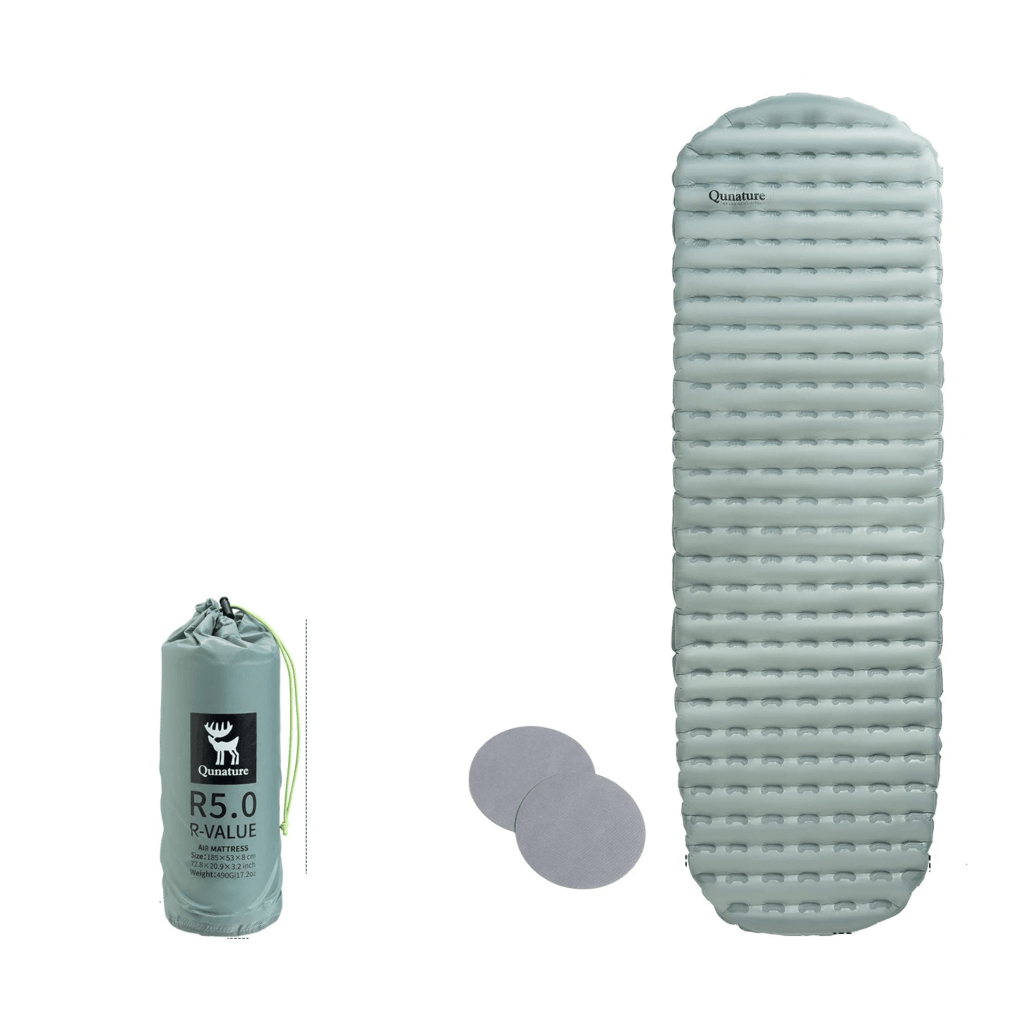
- Dry Storage: Use waterproof dry sacks or pack liners to protect your sleeping bag, spare clothes, and electronics.
- Satellite Communicator/GPS: When storms knock out cell reception, satellite devices keep emergency contacts informed.
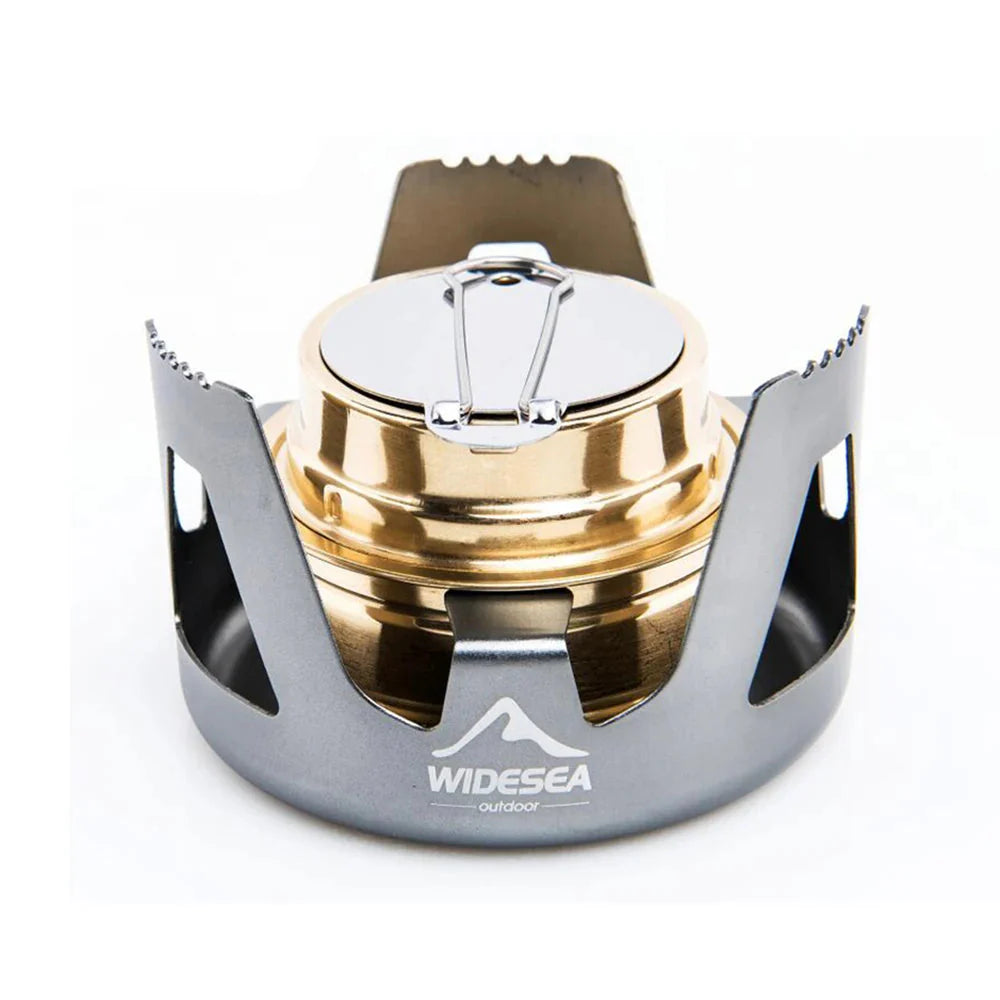
Recommended products
Final Thoughts: Respect the Forecast, Enjoy the Trip
Checking the weather isn’t about canceling your plans at the slightest sign of rain—it’s about knowing what gear to pack, setting realistic expectations, and recognizing when safety dictates turning back. Nature is always unpredictable, but with proper preparation, you can step onto the trail or water with total confidence.
