

The Ultimate Beginner’s Camping Guide: 7 Essential Rules, Gear Tips & Free Printable Checklists
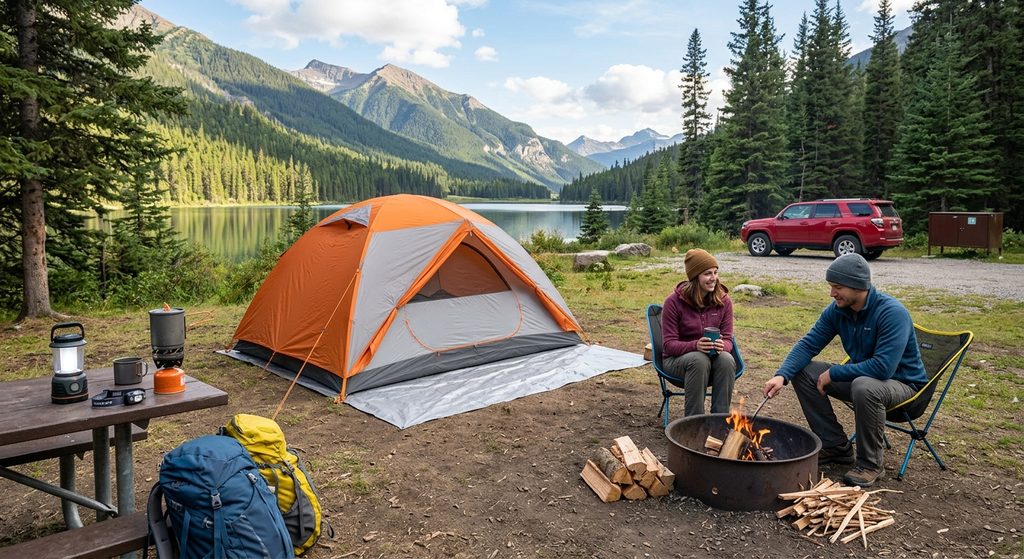
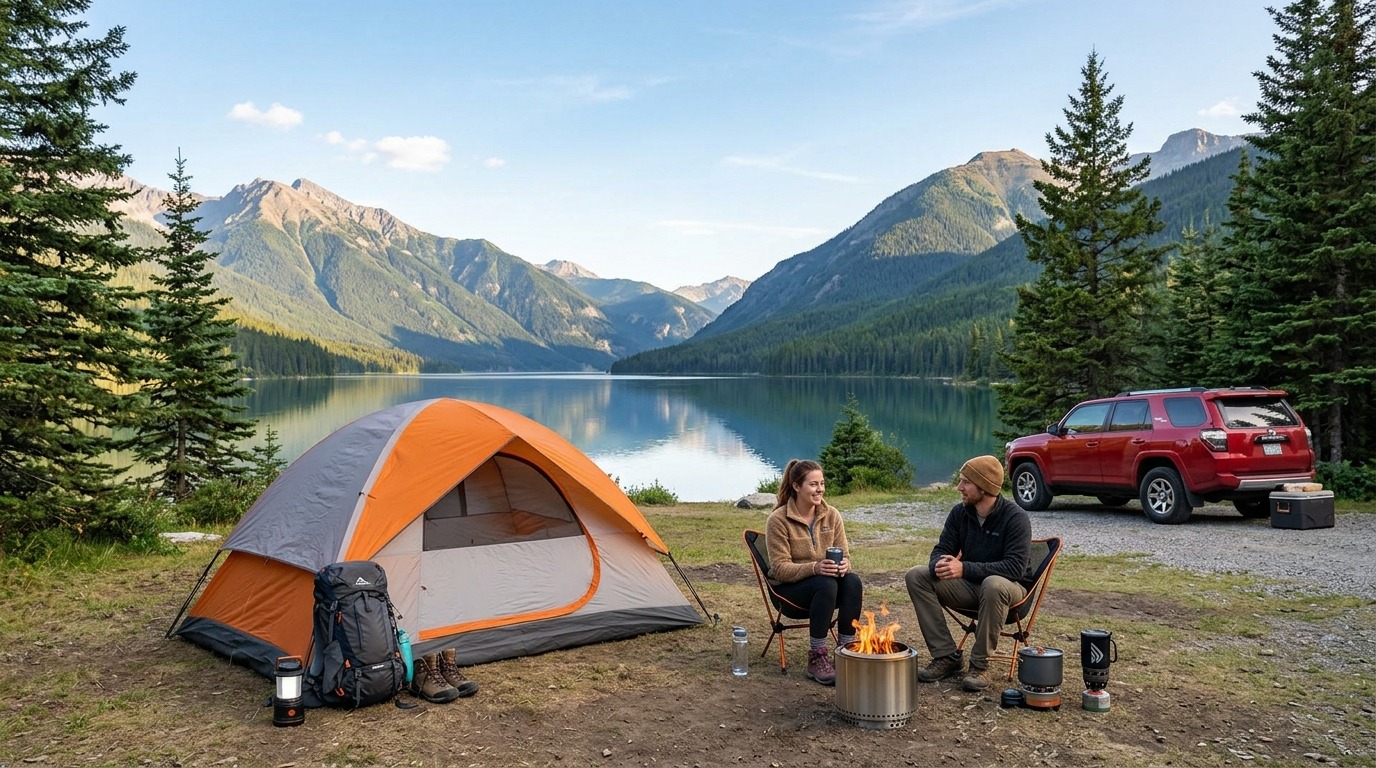
There’s a specific kind of magic to waking up in the woods: crisp morning air, fresh coffee brewed over a campfire, and total quiet. But for first-time campers, that magic can quickly vanish if you’re cold, pitch your tent on a tree root, or forget a crucial piece of gear.
Camping doesn’t have to mean “roughing it.” Most nightmarish first trips come down to a few predictable, easily preventable mistakes.
Whether you’re heading to a local campground or prepping for your first weekend away, here are 7 critical camping mistakes every beginner should avoid—plus where to grab essential trail-tested gear and free printable guides to keep your trip on track.
1. Pitching Your Tent After Dark
Trying to assemble tent poles by the light of a smartphone screen while mosquitoes swarm your head is a rite of passage you want to skip.
- The Fix: Arrive at your campsite at least 2 to 3 hours before sunset. This gives you ample daylight to scout flat ground, set up your shelter, organize your sleep setup, and build a campfire without feeling rushed. Always do a test pitch in your living room or backyard before leaving home to ensure no poles or stakes are missing.
Ultralight Camping Tent Backpack Tent
CA$326.03 · CAN-SB
The Ultralight Camping Tent Backpack Tent provides a durable 20D waterproof nylon shelter that sets up quickly for 1 to 2 campers.
2. Underestimating Sleeping Insulation
Most beginners focus entirely on their sleeping bag’s temperature rating, assuming a thick blanket is all they need. However, the ground acts as a massive heat sink, pulling body heat straight out of you all night long.
- The Fix: Never sleep directly on a tent floor or simple air mattress without insulation underneath. Invest in a dedicated sleeping pad with a verified R-value (a measure of thermal resistance). For summer and early fall camping, aim for an R-value of 2.0 to 3.5.
Ultralight Goose Down Winter Sleeping Bag Mummy Style -Orange
CA$254.89 · Le Petit Olivier
The Ultralight Goose Down Winter Sleeping Bag Mummy Style -Orange features high-loft goose down and a vaulted footbox to prevent cold spots in chilly weather.
Ultralight Inflatable Camping Pillow with Removable Washable Cover
CA$89.90
The Ultralight Inflatable Camping Pillow with Removable Washable Cover features adjustable inflation and ergonomic neck support for proper campfire recovery sleep.
3. Leaving Food and Scented Items Exposed
Nothing ends a trip faster than waking up to a midnight visit from a raccoon, skunk, or bear ransacking your food stash.
- The Fix: Treat your tent as a strict zero-food zone—this includes toothpaste, lip balm, and trash. Store all food, cooking gear, and toiletries inside a sealed hard-sided cooler locked in your vehicle, or utilize campground-provided bear lockers.
💡 Pro Tip: Need a handy refresher on wilderness safety and food storage etiquette? Download ourFree Backcountry Safety Sheets & Field Guidesto keep quick-reference safety rules in your pack or vehicle.
4. Relying on Wet Wood for Your Campfire
Arriving at camp expecting to collect firewood off the ground is a common trap. Fallen branches are often damp, rotted, or already picked clean by previous campers.
| Firewood Source | Pros | Cons |
| Campground Store / Local Bundles | Dry, seasoned, ready to burn | Costs a few dollars per bundle |
| Foraged Forest Wood | Free | Often damp, hard to ignite, damages habitat |
- The Fix: Buy kiln-dried firewood locally near your destination. Bringing dry kindling, a reliable fire starter, and a sturdy lighter saves time and frustration when starting your evening fire.
5. Packing the Wrong Clothing Layers (or Forgetting Gear)
Cotton is comfortable around the house, but when damp from sweat or rain, it holds moisture against your skin and chilled air sets in fast. Even worse is realizing you forgot extra socks or your rain shell when dark clouds roll in.
- The Fix: Stick to the three-layer rule using synthetic materials (polyester, nylon) or merino wool:
- Base Layer: Moisture-wicking short or long-sleeve top.
- Insulating Layer: Fleece jacket or lightweight down sweater.
- Outer Shell: Waterproof and windproof rain jacket.
Lightweight Hiking and Cycling Backpack – Blue | Outdoor Gear
CA$89.90
The Lightweight Hiking and Cycling Backpack – Blue | Outdoor Gear uses tear-resistant nylon and cushioned back panels for comfortable day hikes.
56L Hiking & Trekking Backpack
CA$297.38
The 56L Hiking & Trekking Backpack offers a spacious 56L total capacity with water-resistant fabric to organize weekend essentials.
📋 Never forget an essential again: Avoid packing panic by downloading our Printable Beginner Camping Checklists so you can cross off gear, clothing, and safety basics before you leave the driveway.
6. Skimping on Lighting
A single flashlight shared between two people leads to dropped gear, stubbed toes, and awkward cooking experiences in the dark.
- The Fix: Hands-free lighting is essential. Bring a quality LED headlamp for each camper, plus a warm ambient lantern for the picnic table. Keep your headlamp around your neck or in an accessible pocket as soon as dusk hits so you’re never searching for light in the dark.
7. Overcomplicating the First Camp Menu
Attempting multi-course gourmet meals on a single-burner camp stove often results in raw centers, burnt pans, and a stack of greasy dishes to wash in the dark.
- The Fix: Keep your first trip’s menu simple. Pre-cook meals at home (like chili or pre-assembled tin-foil packets) that only require reheating, or stick to classics like hot dogs, single-pot pasta, and simple breakfast sandwiches.
Camping Cooking System
CA$156.09
The Camping Cooking System incorporates a heat exchanger pot and compact gas burner to boil water rapidly while saving fuel.
🍳 Want quick campfire meal ideas? Grab our easy-to-printFree Camp Recipe Cardsfor simple, delicious foil-pack meals, cast-iron dishes, and fast camp breakfasts.
Free Downloads for Your First Camping Trip
Planning a smooth trip comes down to good preparation. Before you head out, make sure to visit the Occasionally Outdoors Free Resource Hub to download and print your trip planning essentials:
- Printable Camping Checklists: Step-by-step gear, food, and clothing checklists.
- Backcountry & Camp Safety Field Sheets: Quick rules for fire safety, wildlife management, and knot tying.
- Campfire Recipe Cards: Fast, high-reward camp meals designed for simple cleanup.
Focus on warm sleep, simple food, and plenty of daylight, and you’ll be planning your next trip before the campfire burns out.
