
The Anatomy of an Ultralight Tent: A Backcountry Break-Down
When you’re carrying everything you need on your back, every single gram counts. But stripping down weight shouldn’t mean sacrificing your front-line defense against wind, rain, and midnight bugs.
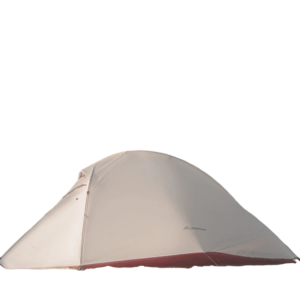
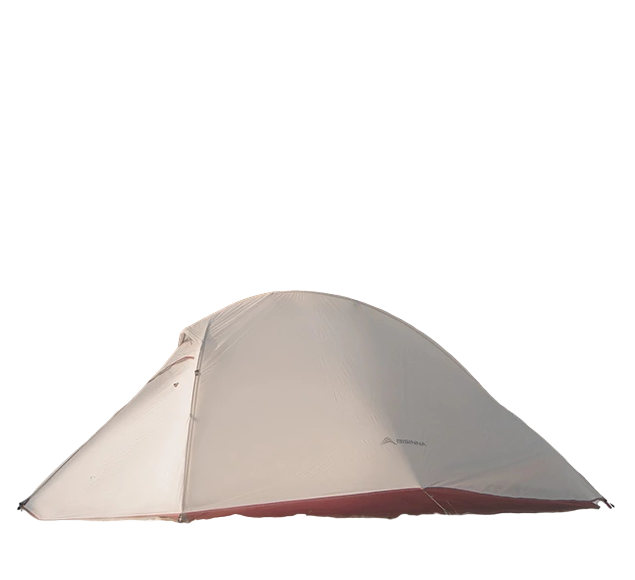
If you’ve ever wondered how modern 1–2 person ultralight shelters achieve maximum weather protection at a fraction of traditional carry weight, it all comes down to clever engineering. Let’s break down the anatomy of an ultralight tent using our Ultralight Camping Tent / Backpack Tent available at Occasionally Outdoors.
1. The Outer Shell: Rainfly & Vestibule
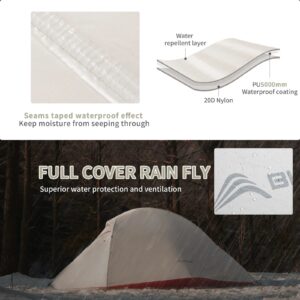
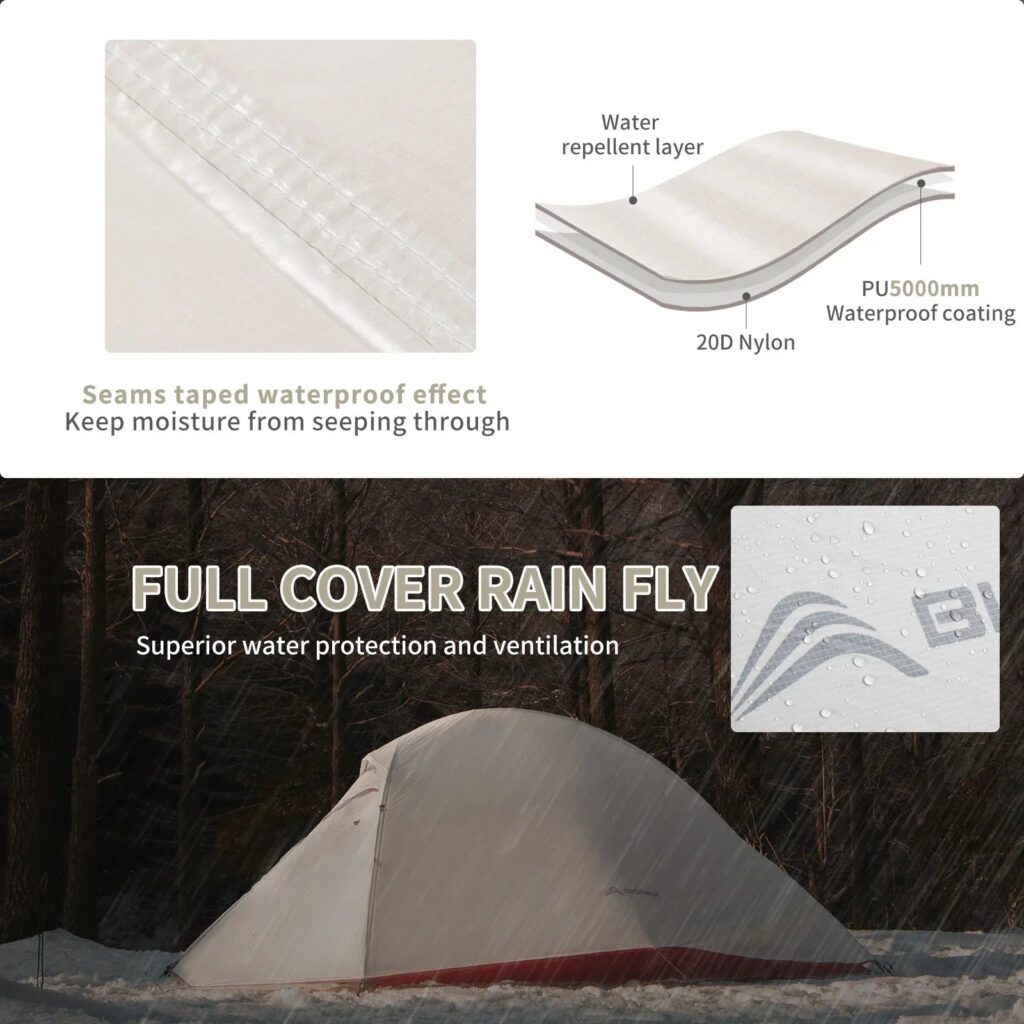
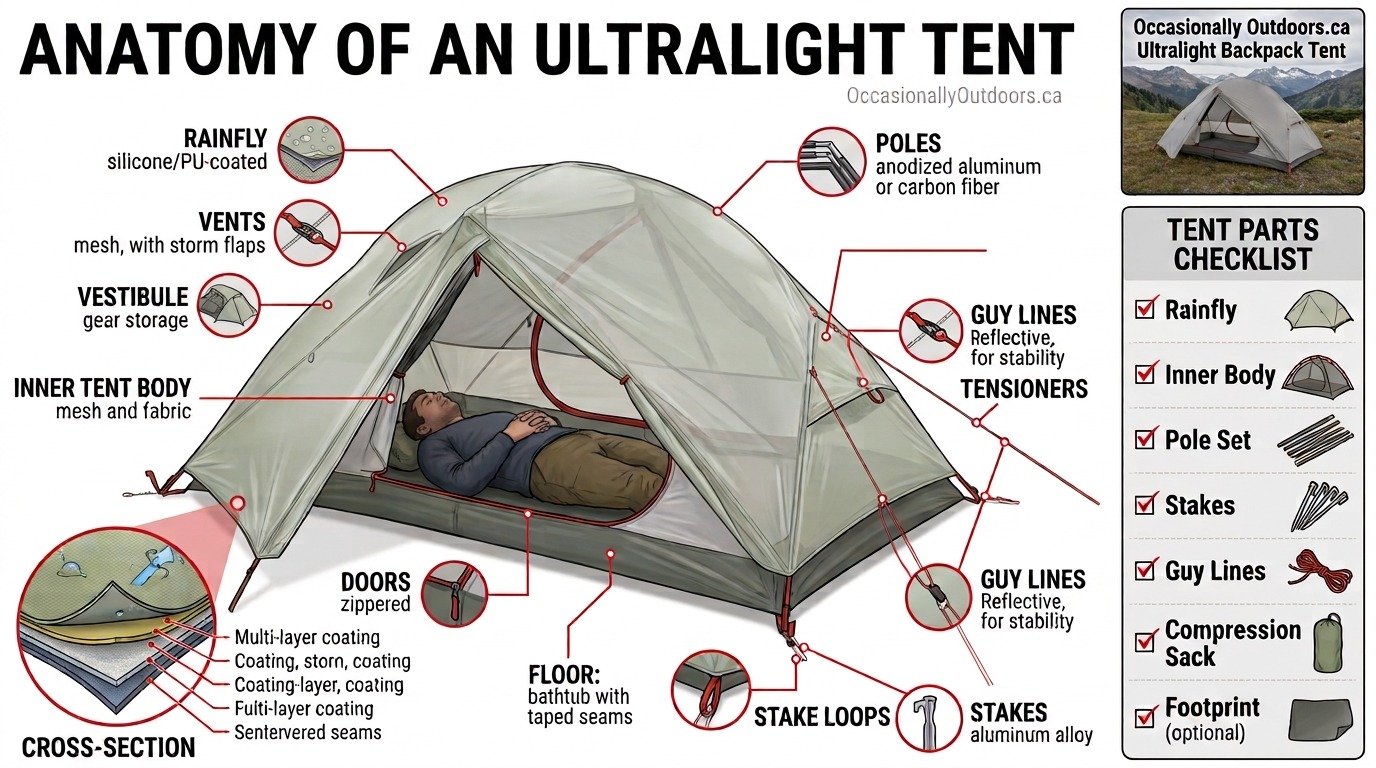
The rainfly is your shelter’s shield against the elements. In standard camping tents, rainflies can be thick and heavy, but ultralight backpacking models use high-tenacity, silicone- or PU-coated ripstop fabrics that seal out downpours while keeping weight to a minimum.
- Full-Coverage Rainfly: Extends close to the ground to keep wind-driven rain from hitting the inner canopy.
- The Vestibule: The covered entryway created when the rainfly is staked out beyond the inner tent door. It acts as a mudroom to store your dirty trail boots and 50L+ backpack overnight without taking up interior sleeping space.
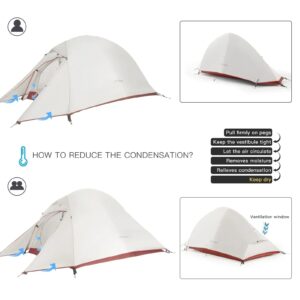
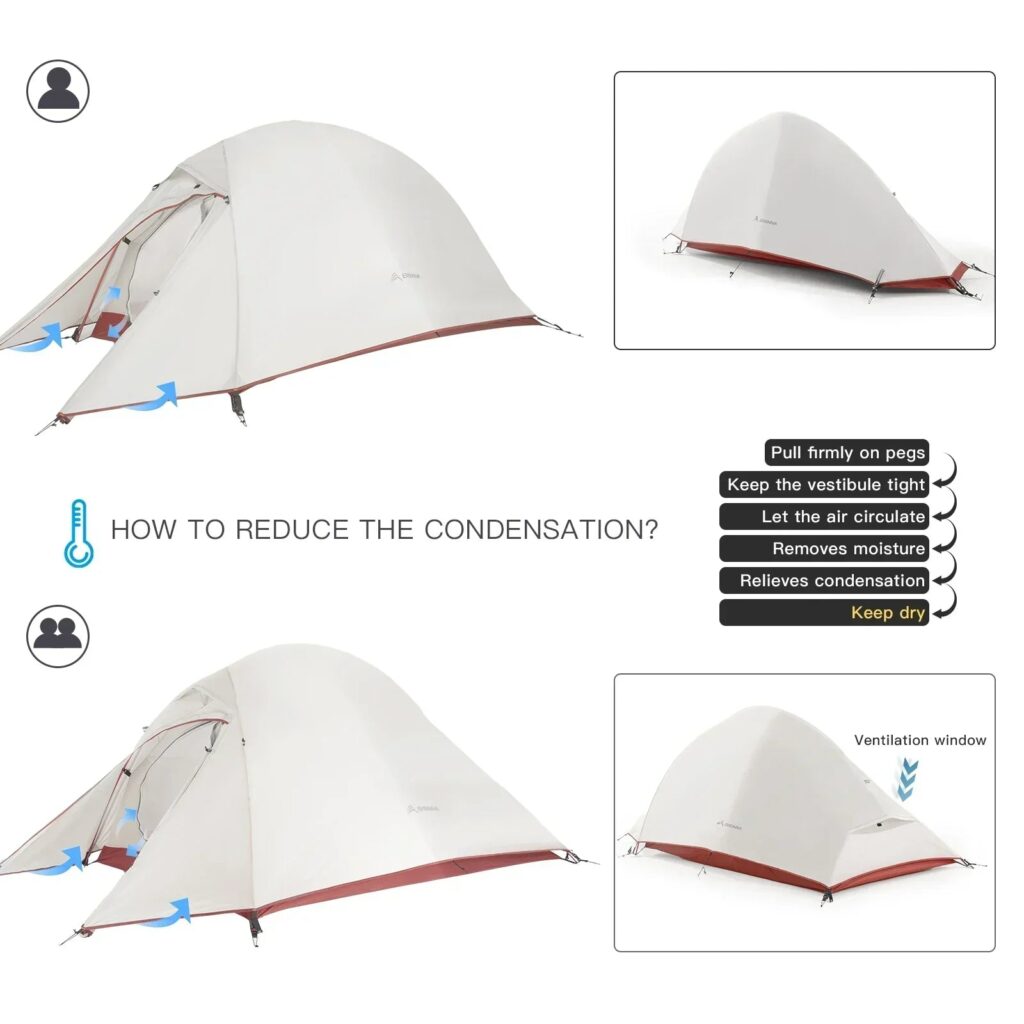
- Storm Flaps & Vents: Rainflies feature covered ventilation ports near the apex to draw out warm air and prevent internal condensation buildup while keeping driving rain outside.
2. The Inner Body: Canopy, Mesh & Bathtub Floor
Unclip the rainfly, and you reveal the interior living space. Ultralight tent canopies strike a delicate balance between airflow and weather sealing.
- No-See-Um Mesh: The upper canopy relies on fine micromesh to keep tiny insects out while maximizing cross-breeze on warm summer nights.
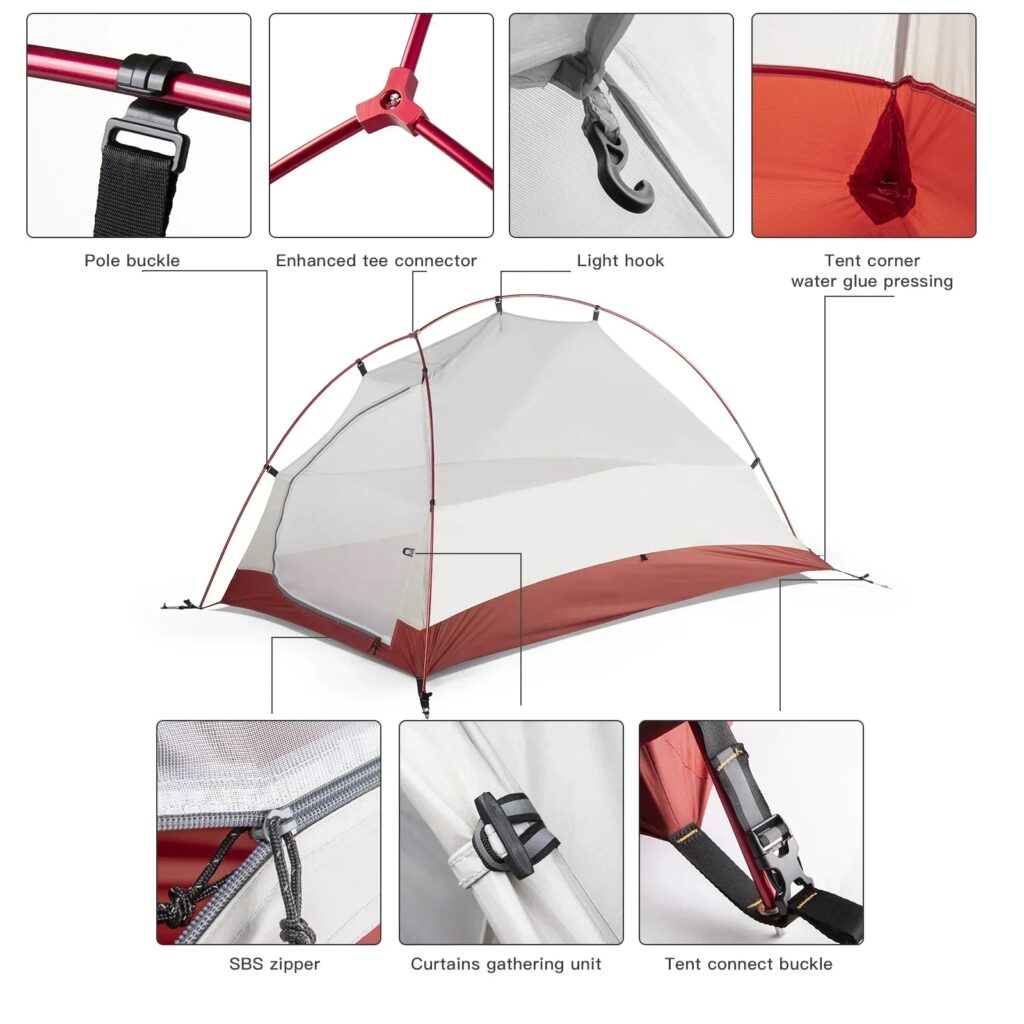
- Bathtub Floor: Instead of flat seams along the dirt, the waterproof floor fabric wraps 3–4 inches up the side walls before joining the mesh. This “bathtub” design ensures heavy rain splashing off the ground never leaks into your sleep system.
- Interior Storage Pockets: Integrated mesh gear pockets keep high-priority items—like your Nitecore headlamp, phone, or camp glasses—off the floor and within easy reach in the dark.
3. Structural Support: Frame, Hubs & Guy Lines
A shelter is only as reliable as its skeleton. Standard tents rely on heavy, multi-segment fiberglass poles, whereas ultralight models optimize geometry to reduce pole weight.
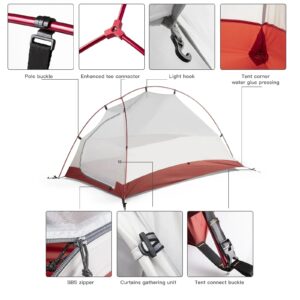
- Aluminum Pole Array & Hubs: High-strength anodized aluminum poles connected by central hub joints allow the tent frame to setup quickly as a single cohesive unit, offering optimal strength-to-weight ratios under wind loads.
- Pole Clips: Instead of heavy fabric pole sleeves, lightweight clips snap the inner mesh body directly to the frame for rapid assembly and superior airflow.
- Guy Lines & Tensioners: High-visibility cords anchored from the rainfly structure to the ground. Tensioning these guy lines stabilizes the tent against high backcountry winds and maintains the critical air gap between the outer rainfly and inner mesh.
4. Ground Anchors & Accessories
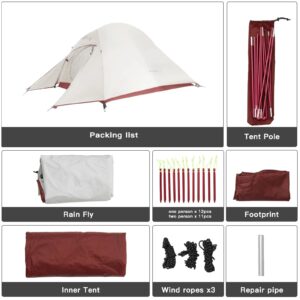
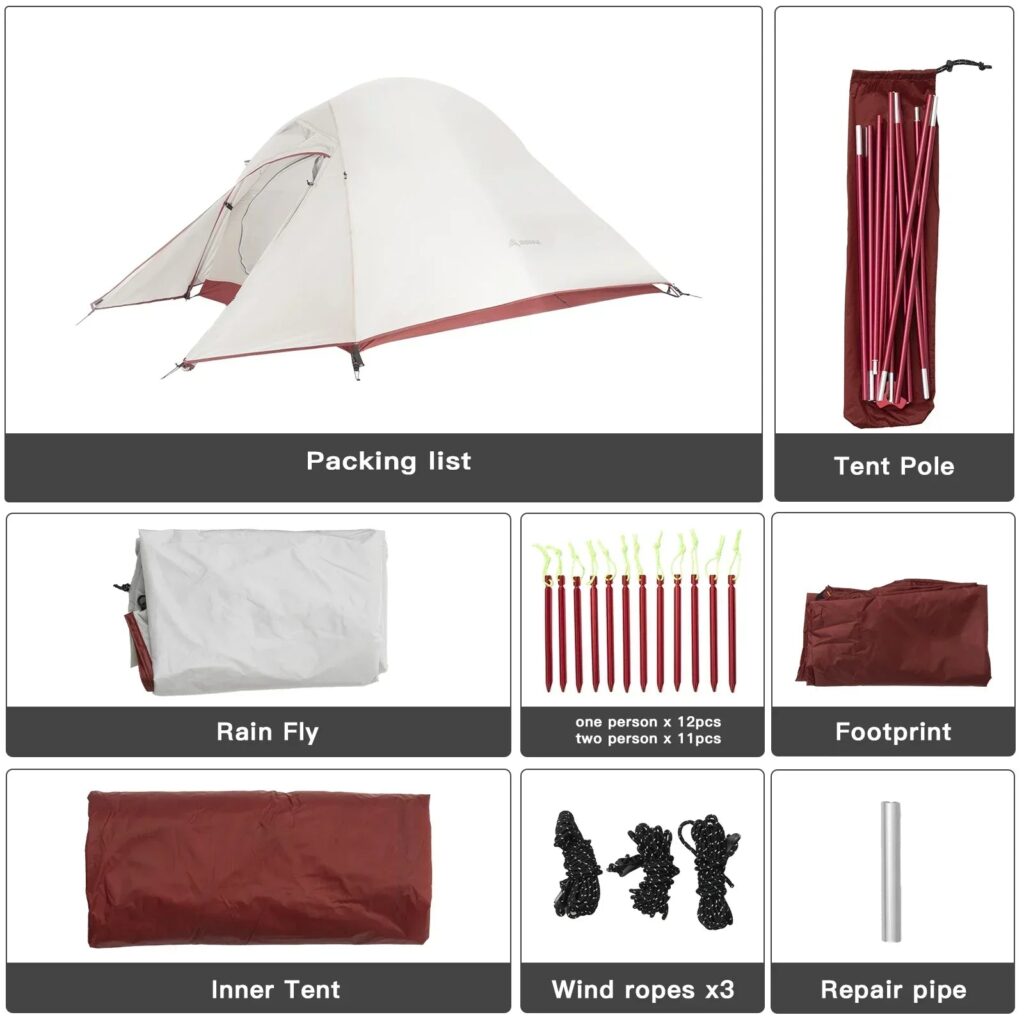
- Lightweight Alloy Stakes: Compact aluminum pegs designed to hold firm in soil, roots, or rocky terrain without adding unnecessary weight to your pack.
- Footprint (Optional Groundsheet): A custom-cut barrier placed under the bathtub floor to protect lightweight fabrics from sharp rocks, pine needles, and abrasion.
Gear Featured in This Guide