
5 Cold-Weather Camping Upgrades You Need Before Your Next Winter Overnight
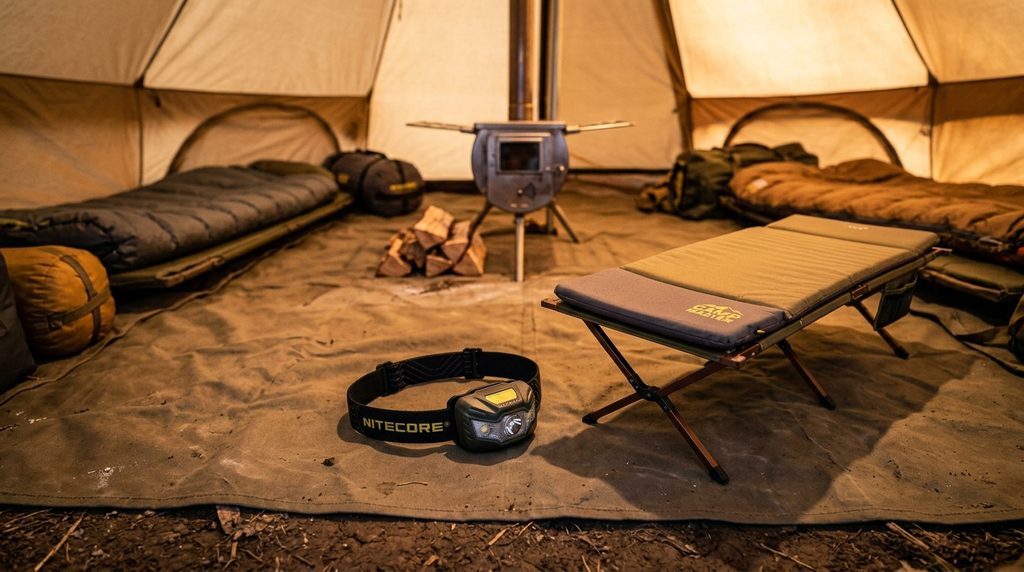
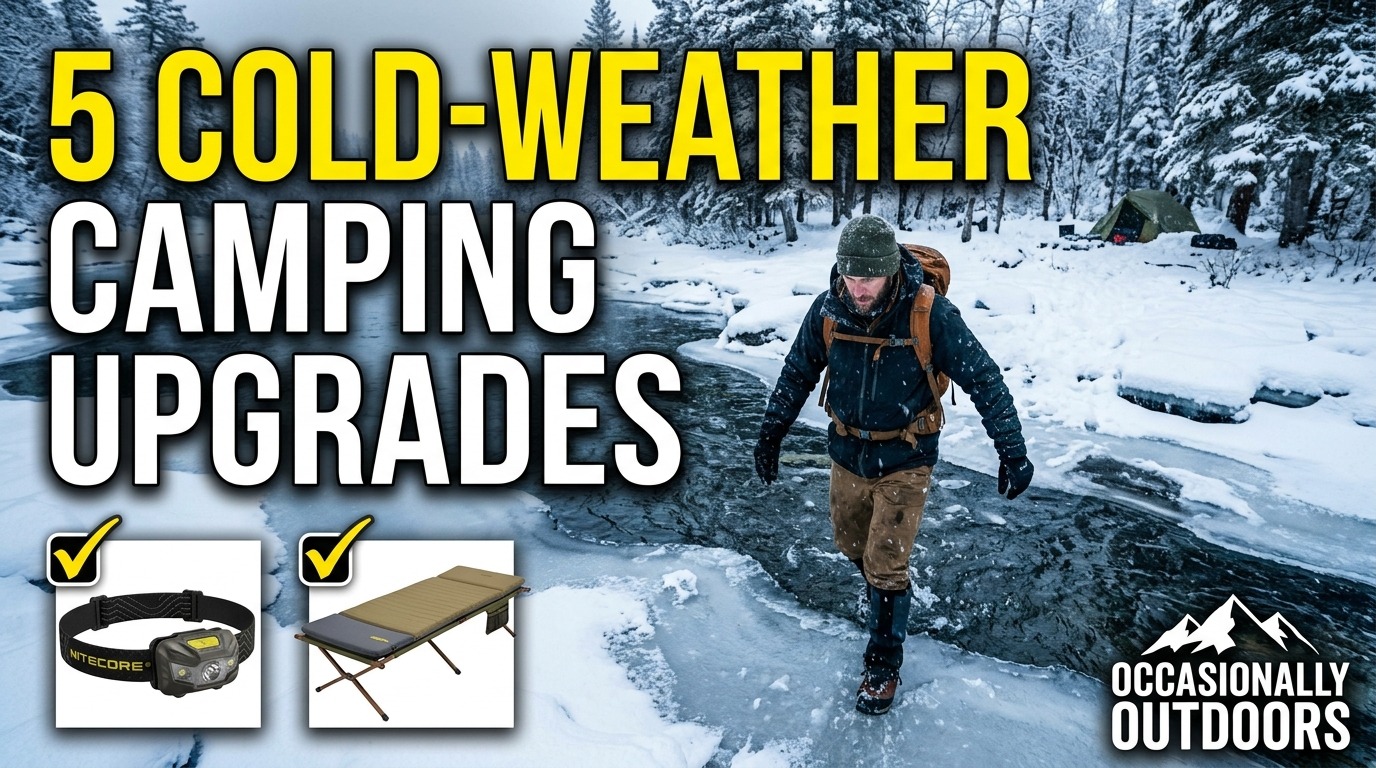
When the temperatures dip and snow starts dusting the treeline, camping transitions from a casual weekend trip to an exercise in gear efficiency and warmth management. On our Occasionally Outdoors YouTube channel, we’ve put gear through its paces in freezing conditions—from frozen river ice camps to blustery shoulder-season overnights.
Staying comfortable in the cold comes down to a zero-compromise approach to your sleep system, personal lighting, and trail setup. Here are 5 essential outdoor gear upgrades to keep you warm, safe, and functional when cold weather hits.
1. Ditch the Cold Ground: Portable Camping Cot + Insulated Sleeping Pad
Conductive heat loss to the frozen ground is the #1 reason campers wake up shivering at 3 AM, no matter how thick their sleeping bag is.
- Why it works: Elevating your sleep setup off the frozen dirt or snow isolates you from ground frost.
- The System: Pair a lightweight, high-clearance portable camping cot with an insulated pad (R-value of 4.0+). The air gap below the cot stops heat transfer, while the pad reflects your body heat back to you.
2. Ultra-Lightweight Hands-Free Lighting
When night sets in by 5:00 PM during late-season trips, reliable, lightweight lighting isn’t a luxury—it’s safety equipment.
- Gear Spotlight: Nitecore NU20 Classic Headlamp
- Why we pack it: Weighing under 1.5 oz, it packs a high CRI beam that cuts through night haze without weighing down your beanie. Rechargeable via USB-C, it retains battery health far better in sub-zero temperatures than standard AA batteries.
3. High-Calorie Camp Cookery & Hot Meal Station
Your body burns nearly double the calories keeping your core warm in sub-freezing temperatures. Cold sandwiches won’t cut it after 8 hours on the trail.
- Pro Tip: Pack high-fat, heat-and-eat meals in insulated thermal bags or use quick-boil stove setups to minimize fuel consumption in cold winds.
- Trail Recipe Idea: Hydrate freeze-dried meals with boiling water, then wrap the pouch inside your spare jacket while it steeps to trap heat and warm your hands simultaneously.
4. Multi-Layer Scent & Weather Barrier Gear
Whether tracking game or navigating tight timber trails in wet late-autumn weather, durability and quiet outer shells are critical.
- Field-Tested Gear: Occasionally Outdoors Embroidered Champion Packable Jacket
- Why it matters: Blending moisture-wicking fleece baselayers with weather-resistant outer shells keeps precipitation out while letting body heat vent during heavy hikes up elevation.
5. Ice & Winter Trail Traction
Navigating frozen riverbanks or icy trailheads requires ground contact you can trust.
- Essential Gear: Pack microspikes or multi-tooth ice cleats in an easily accessible outer pack pocket. Never pack traction gear at the bottom of your main pack—put it on before you step onto slick surfaces.
Watch the Gear in Action
Catch our full winter camping breakdowns and field-testing vlogs over on the Occasionally Outdoors YouTube Channel:
- Freezing River Ice Camp & Gear Breakdown: See how our cold-weather sleep systems hold up in real-world freezing conditions.
Gear Checklist & Cold-Weather Essentials
| Category | Gear Item | Key Feature / Function |
| Sleep System | Portable Folding Cot + High R-Value Pad | Eliminates conductive heat loss to frozen ground |
| Illumination | Nitecore NU20 Classic Headlamp | Ultra-lightweight, USB-C rechargeable, low-temp battery resilience |
| Apparel | Occasionally Outdoors Embroidered Champion Packable Jacket | Quiet, durable, moisture-wicking layer protection |
| Safety & Footwear | Trail Microspikes / Cleats | Quick-deploy traction on river ice and packed snow |
| Cookware | Rapid-Boil Windproof Stove | High-efficiency fuel burn for hot hydration in high winds |